Professional Tree Preservation Services in Northwestern Vermont
Certified Arborists Helping You Protect the Trees You Value Most
Take Advantage of the Dormant Season
Winter is ideal for pruning and tree removal. Reserve your spot now before the schedule fills.

Preservation Starts with the Right Diagnosis
Not every struggling tree needs to come down. Many trees showing signs of decline, structural weakness, or stress can be preserved with the right intervention at the right time — and the right arborist guiding the process.
Tree preservation is rarely a single service. It's a suite of diagnostic and corrective measures, such as structural support, growth regulation, root zone evaluation, and more, that are tailored to your tree's specific situation.
Our ISA Certified Arborists evaluate each tree individually, identify the underlying problem, and recommend targeted treatments to extend its life safely.



How We Preserve Your Trees
Every tree preservation case starts with a thorough assessment by one of our consulting arborists. Based on what we find, we may recommend one or more of the following services:
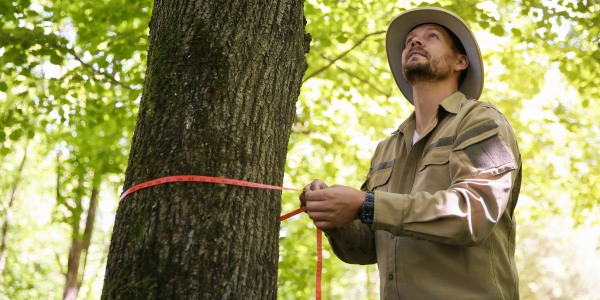
Tree Health Assessments
Our consulting arborists evaluate crown condition, trunk integrity, root zone health, and site conditions to build a complete picture of what's happening with your tree and why. This assessment forms the foundation for every preservation recommendation we make.
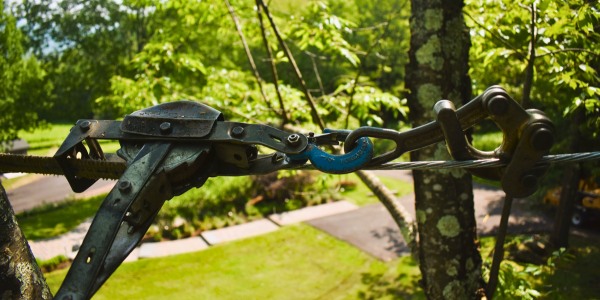
Structural Support
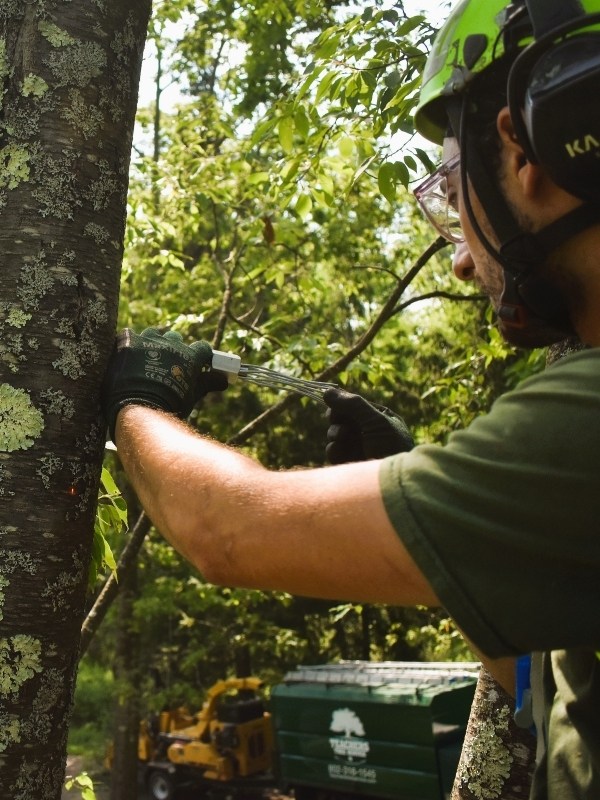
We install synthetic and steel cable systems to reduce the risk of failure in trees with weak branch unions, co-dominant stems, or heavy limbs prone to splitting. In some cases, we also use rods and bracing — threaded bolts installed through the trunk or limbs — to reinforce splits or weak attachments from the inside.
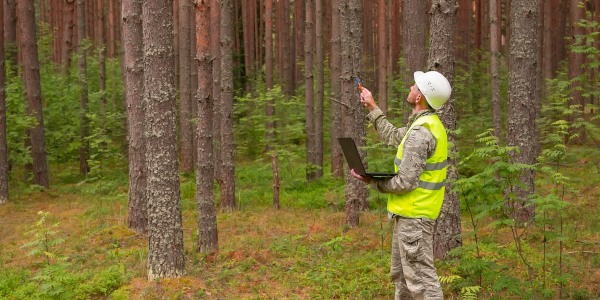
Tree Risk Assessment
A formal risk assessment follows ISA standards to evaluate the likelihood of failure, what the tree could hit, and the potential severity of the consequences. Our arborists use the findings to recommend the most appropriate response — whether that's structural support, targeted pruning, monitoring, or removal.

Cambistat (Plant Growth Regulator)
Cambistat slows above-ground growth while redirecting energy toward fibrous root development and natural defense systems. Applied as a soil injection around the tree's base, it helps stressed trees stabilize and recover — particularly after construction damage, root loss, or disease pressure. Effects typically last about three years.
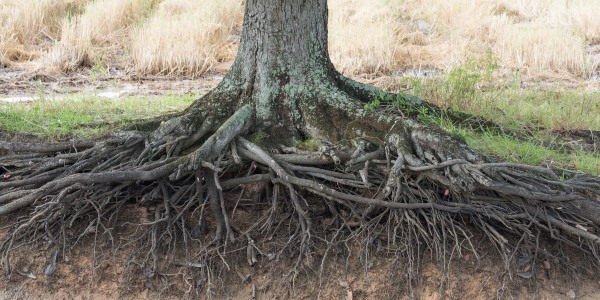
Root Collar Inspection
When a tree's root collar is buried under excess soil or mulch (the dreaded "mulch volcano"), it leads to girdling roots, bark decay, and structural instability. Our arborists excavate the base of the tree to assess the collar's condition and determine whether corrective action is needed. When deeper root zone issues are involved, our team can also perform air spading and root pruning to address problems below the surface.
Concerned About a Tree on Your Property?
Our arborists can assess your tree's condition and recommend the best path forward — whether that's preservation, treatment, or honest advice that removal is the safer option.
Our Tree Preservation Process
We take a methodical approach that ensures nothing gets overlooked and you understand every recommendation before work begins:
Initial Consultation: You contact us with your concern and we schedule a site visit with one of our consulting arborists.
On-Site Assessment: Your arborist examines the tree's structure, crown health, root zone, and surrounding conditions to identify the underlying issue.
Preservation Plan & Proposal: We present our findings and recommendations in a clear, written proposal — including what we recommend, why, and what it will cost.
Treatment & Installation: Our crew carries out the recommended services following ISA best practices and TCIA safety standards.
Monitoring & Follow-Up: We schedule follow-up inspections to monitor your tree's response and adjust the plan if needed.
Why Trust Teachers with Your Trees
Your trees are living assets — some of the most valuable features on your property. A mature, healthy tree can contribute tens of thousands of dollars to your home's value, and once it's gone, it takes decades to replace. That's why tree preservation demands certified professionals who understand tree biology, structural mechanics, and the long-term consequences of every recommendation.
8 ISA Certified Arborists on Staff
Our team has more Certified Arborists than any other tree care company in Northwestern Vermont, including consulting arborists with advanced training in risk assessment, plant health care, and structural support.
TCIA Accredited
Teachers Tree Service meets the tree care industry's highest standard for safety, professionalism, and business practices — a distinction held by fewer than 400 companies nationwide.
Locally Owned, Science-Based Approach
We live and work in the communities we serve, and every recommendation is grounded in arboricultural research and best practices — not guesswork or upselling.
Education Is What We Do
There's a reason we're called Teachers. We believe you should understand what's happening with your trees and why we're recommending a specific course of action, not just take our word for it.
Providing Reliable Tree Preservation Services Across Northwestern Vermont
Teachers Tree Service provides tree preservation services throughout Chittenden County and surrounding communities:
Feel free to give us a call at (802) 316-1545 if you don’t see your city or town listed here; we service homeowners across the Northwest Vermont area.
Expert Resources on Tree Preservation
Our blog covers tree preservation topics in depth — from understanding structural defects to recognizing early signs of decline. Check it out for expert advice from our ISA Certified Arborists.
Why Won’t My Shrub Lose Its Leaves in Vermont?
October 14, 2026 | Updated: October 19, 2026 | Seasonal Tree Care
When a shrub won’t lose its leaves while the rest of your Vermont yard goes bare, it’s usually invasive buckthorn or honeysuckle. Here’s how to tell which.
Is Fall a Good Time to Plant a Tree in Vermont?
September 16, 2026 | Updated: October 8, 2026 | Tree Care Tips
Wondering if fall is too late to plant a tree in Vermont? See the local frost timeline, best species picks, and the mistakes that kill new trees.
How Can You Tell If a Tree Is Dangerous?
August 17, 2026 | Updated: October 8, 2026 | Tree Safety
Worried a tree could fall on your property? Learn the warning signs Vermont arborists check first—and when to book a hazard assessment in Chittenden County.
Frequently Asked Questions About Tree Preservation in Northwestern Vermont
Talk With an Arborist About Your Tree’s Health
Vermont's insect and disease pressures are getting worse, not better. Whether you've noticed symptoms or just want peace of mind, our Certified Arborists can assess your trees and let you know where you stand. The earlier you act, the more options you have.


