Fruit Tree Care in Vermont: A Seasonal Guide to Healthier, More Productive Trees
Fruit tree care in Vermont starts long before picking season. Here's how to avoid pruning, PHC, and fertilization mistakes that silently kill your harvest.
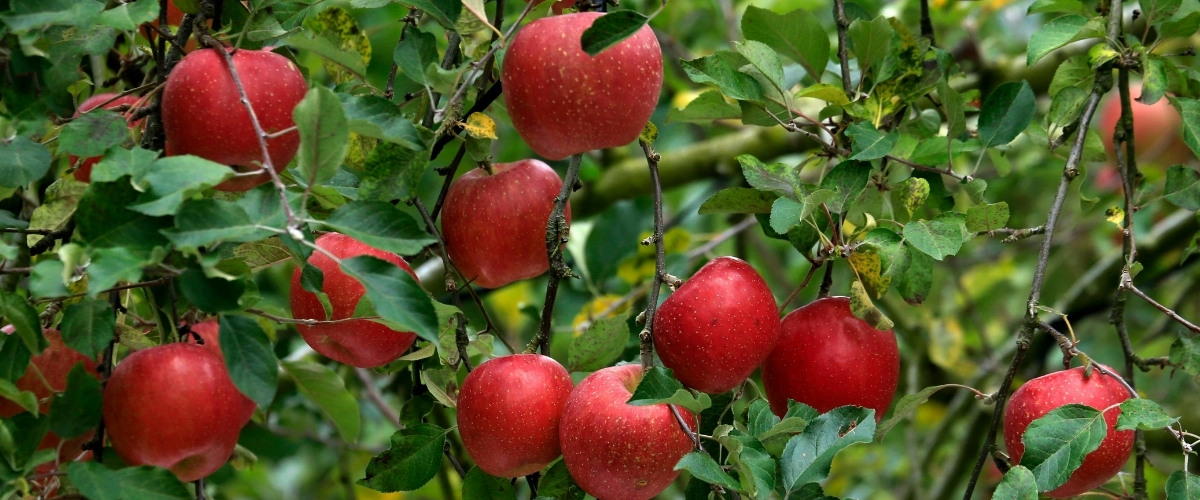
You do everything right: pick the perfect spot, plant a solid variety, and wait 3 or 4 years for your first real harvest. Then spring rolls around, it rains for two straight weeks during bloom, and by fall you’re looking at bare branches where fruit should be.
That’s not a hypothetical scenario. Last fall, orchards across Vermont reported roughly 50% crop losses after a wet spring grounded pollinators and a summer drought finished the job. And if professional orchards took that kind of hit, backyard fruit trees didn’t fare much better. Fruit tree care in Vermont means working with cold winters, late frosts, humid summers, and a short growing season — but it’s manageable when you know what to do and when.
Key Takeaways
- Fruit tree care in Vermont is a year-round commitment — the right seasonal routine keeps trees healthy and productive.
- Proper pruning timing (late-winter dormancy) and technique directly affect tree health, structure, and fruit production.
- Most common production problems (overfertilization, poor pollination, biennial bearing) are identifiable and correctable with the right approach.
- Apple scab, fire blight, and codling moth are the biggest threats to Vermont backyard fruit trees — and fall cleanup is your first line of defense.
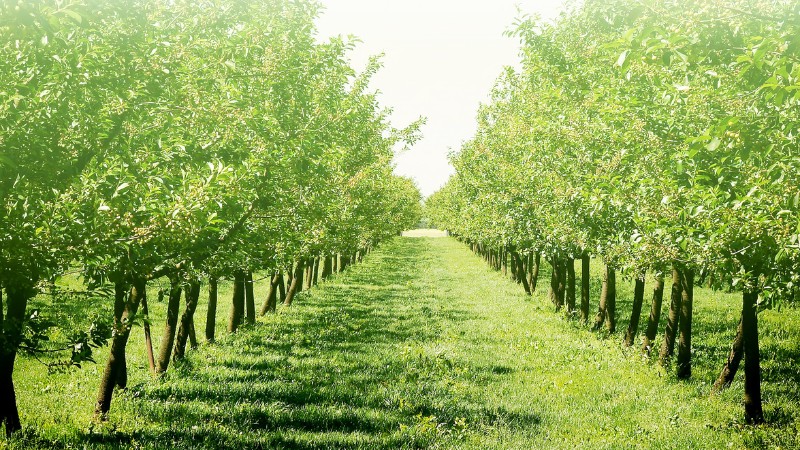
Consistent seasonal care — from spring fertilization to summer watering — keeps Vermont fruit trees productive through the growing season.
Why Is My Fruit Tree Not Producing Fruit?
There are 3 likely reasons your fruit tree isn’t producing fruit: overfertilization, pollination failure, and biennial bearing — a cycle where a heavy crop one year leaves the tree too exhausted to fruit the next. The good news is that all of them are correctable.
1. How Overfertilization Stops Fruit Production
Excess nitrogen redirects a tree’s energy into wood and leaf growth at the expense of flower buds and fruit. The result is a tree that looks lush and vigorous but produces very little.
That extra nitrogen doesn’t always come from you. Lawn fertilizer applied near the tree — especially within the drip line — can move into the root zone and fuel that same growth response.
A healthy bearing apple tree should produce roughly 12–18 inches of new shoot growth per year. When growth exceeds that, it’s a sign the tree is putting too much energy into wood instead of fruit.
2. Why Pollination Failure and Late Frosts Prevent Fruit Set
Without successful pollination, flowers never develop into fruit — no matter how healthy the tree is. Most apples, pears, sweet cherries, and Japanese plums need a compatible pollinator variety blooming nearby for cross-pollination to occur. That’s exactly what failed across Vermont last spring, when continuous rain kept bees from working the blossoms.
Late spring frosts are the other recurring threat. Flower buds die at around 29°F, and Vermont’s unpredictable springs make this a gamble every year. Trees in low spots, where cold air settles, are especially vulnerable.
3. How Biennial Bearing Reduces Fruit Production
A heavy fruit crop exhausts the tree’s energy reserves, leaving too little for next season’s flower buds — so a big harvest one year often means a bare tree the next. You can break the cycle by removing excess fruit by hand in early summer, leaving apples spaced about 8 inches apart on the branch.
4. How Sunlight and Soil Conditions Affect Fruit Production
Fruit trees need at least 6 hours of direct sunlight to produce consistently. Too much shade limits flower development and reduces overall yield.
Soil conditions matter just as much. Compacted or nutrient-poor soil can restrict root function and limit the tree’s ability to support fruit production. If you haven’t tested your soil recently, a plant health care professional can help interpret the results and recommend next steps.
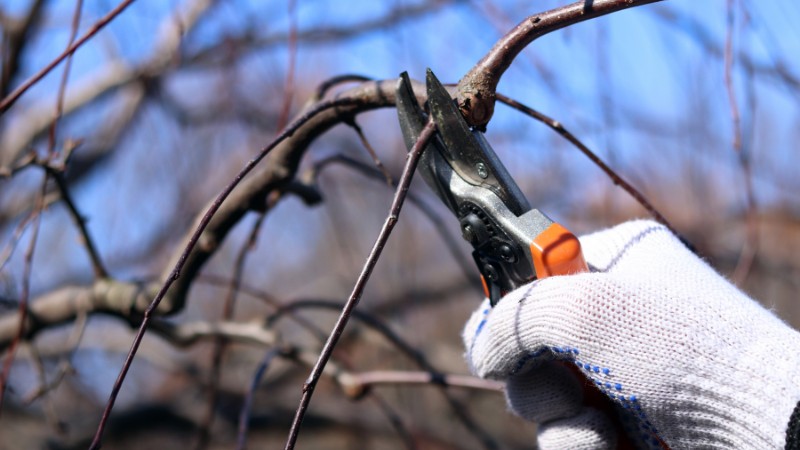
Dormant-season pruning — late February through early April in Vermont — is the best time to shape fruit trees and encourage next season’s fruit production.
When Should You Prune Fruit Trees in Vermont?
The best time to prune most fruit trees in Vermont is late winter to early spring, during dormancy: before bud break, but after the coldest part of winter has passed. For apples, pears, cherries, peaches, and plums, that window falls between late February and early April. Deadwood is the exception — remove it any time of year.
Avoid pruning in late fall or early winter. Cutting during that period can reduce the tree’s cold hardiness and increase the risk of frost cracks. And as a general rule, never remove more than one-third of a tree’s branches in a single year.
How Pruning Affects Fruit Set
Not all pruning cuts are equal:
- Thinning Cuts: Removing a branch at its point of origin encourages flower production and let more light into the canopy.
- Heading Cuts: Shortening a branch, however does the opposite: it stimulate a burst of vegetative growth that delays fruiting.
Getting the cut type wrong can eliminate an entire season’s fruiting wood.
For young trees, schedule structural pruning when the trunk is 1-2 inches in diameter to build the branching architecture that will support heavy crops for years. For mature trees, the focus is on opening the canopy for light penetration and airflow — remove crossing branches, water sprouts, and inward-facing growth.
PRO TIP: If your tree is mature or hasn’t been pruned in years, improper cuts can do more harm than good. This is where a Certified Arborist’s expertise in fruit tree pruning pays for itself.
What Pests and Diseases Affect Fruit Trees in Vermont?
Vermont’s humid growing season creates ideal conditions for several fungal diseases, and a handful of insect pests can ruin a crop if left unchecked.
Fruit Tree Diseases to Watch For
These are the 4 diseases most likely to affect backyard fruit trees in Vermont:
- Apple Scab (Venturia inaequalis): A fungal disease that survives the winter in fallen leaves and reinfects trees each spring. Look for olive-colored leaf spots, malformed fruit, and early leaf drop. Clear away fallen leaves to reduce infection.
- Fire Blight (Erwinia amylovora): A bacterial infection that spreads through blossoms during warm, wet weather. Infected shoots turn brown-black and bend into a “shepherd’s crook” shape. Pears are especially susceptible. Reducing nitrogen fertilization helps lower the tree’s vulnerability.
- Brown Rot: A fungal disease that attacks stone fruits (peaches, plums, cherries), causing fruit to rot and shrivel on the branch. Warm, humid conditions during ripening accelerate the spread. Remove affected fruit promptly.
- Black Knot: A slow-spreading fungus that targets plums, producing hard, dark swellings on branches. Left unchecked, it can kill entire limbs. Prune out infected wood as soon as you spot it.
Common Insects That Attack Fruit Trees in Vermont
A few insects cause most of the crop damage in Vermont backyard orchards:
- Apple Maggot: One of the most common apple pests in Vermont whose larvae tunnel through developing fruit, leaving brown, winding trails inside the flesh. Removing fallen fruit promptly reduces the next generation’s population.
- Codling Moth: Frequently found alongside apple maggot, coddling moth larvae bore into the core of apples, often leaving frass (sawdust-like waste) at the blossom end. An arborist can recommend targeted monitoring and treatment timing.
- Plum Curculio: A small beetle that feeds on developing stone fruit, leaving distinctive crescent-shaped scars on the skin. Damaged fruit often drops prematurely, and collecting dropped fruit breaks the lifecycle.
- Aphids and Spider Mites: Tiny sap-feeding insects that colonize leaves and shoots. Heavy infestations cause leaf curling, yellowing, and reduced tree vigor over time. Contact an arborist if populations are building.
Management for both pests and disease starts with monitoring and cultural controls like removing fallen fruit and only moving to targeted treatments when warranted.
DID YOU KNOW? Fall sanitation, such as clearing fallen fruit and leaves around the base of your trees, breaks the overwintering cycle for many of these pests and diseases. It’s the single highest-impact thing most homeowners can do.
How Do You Care for Fruit Trees Year-Round in Vermont?
The best fruit tree care follows the seasons. Here’s what Vermont homeowners should focus on throughout the year:
| Season | Timing | What to Do & Watch For |
|---|---|---|
| Late Winter | February-March | This is when dormant pruning should happen — an arborist can prune for structure, airflow, and fruit production. Inspect trees for winter damage like frost cracks, animal browsing, and broken branches. |
| Spring | April-May | Time for soil testing and professional fertilization (excess nitrogen hurts fruit production). Watch for fire blight during bloom and apple scab symptoms as leaves emerge — contact an arborist if you spot either. |
| Early Summer | June-July | Fruit should be thinned to prevent biennial bearing (apples and pears spaced about 8″ apart). Water deeply during dry spells — 5–15 gallons every 3 days depending on tree size. |
| Late Summer | August-September | Monitor for pest and disease symptoms. If you notice leaf discoloration, premature fruit drop, or unusual growth, an arborist can diagnose the issue before it spreads. Maintain consistent watering during drought. |
| Fall | October-November | Remove all fallen fruit and leaves — this is the single most important step to break pest and disease cycles. Install trunk wraps or hardware cloth guards for animal protection. Maintain a wood chip or bark mulch ring (avoid straw and fabric). Water well before dormancy. |
| Winter | December-January | Protection should already be in place (trunk wraps, hardware cloth guards). Check guards periodically after heavy snow or ice. No pruning or fertilization during this period — trees are fully dormant. |
For trees that need a nutrient boost, spring is the best time to schedule deep root fertilization — it delivers nutrients directly to the root zone, below competing turf grass.
When Should You Call a Professional Arborist for Your Fruit Trees?
Fruit tree care involves a mix of seasonal monitoring and professional maintenance. Here’s where a Certified Arborist makes the biggest difference:
- Structural pruning of young trees
- Pruning mature or neglected trees that require climbing or specialized equipment
- Diagnosing pest or disease problems you can’t confidently identify on your own
- Deep root fertilization
- Reviving declining or underperforming fruit trees that haven’t responded to basic care changes
- Risk assessment of aging fruit trees near structures, walkways, or play areas
With 8 ISA Certified Arborists on staff, Teachers Tree Service has the expertise to diagnose what’s going wrong and develop a care plan specific to your trees and your property. We work throughout Chittenden County and surrounding areas.
Frequently Asked Questions About Fruit Tree Care in Vermont
What fruit trees grow best in Vermont?
Apples are the most reliable choice — varieties like Honeycrisp, McIntosh, and Empire thrive in zones 4–5. Hardy pears (Bartlett, Bosc), tart cherries (Montmorency), and European plums (Mount Royal, Green Gage) also do well. Sweet cherries and peaches are possible in warmer microclimates, like the Champlain Valley, but need more attention.
How long does it take for a fruit tree to start producing fruit?
Most apple and pear trees begin producing fruit 3–5 years after planting, depending on rootstock and variety. Dwarf rootstocks tend to fruit sooner. Cherry and plum trees often produce within 3–4 years.
Should I remove a tree that hasn’t produced fruit in several years?
Not necessarily. An arborist can usually diagnose why a mature tree isn’t producing — it may be a correctable issue like excessive vigor, poor pollination, or a treatable pest problem. Removal should be a last resort after other options are explored.
Is it safe to eat fruit from a tree that had apple scab or other disease?
Fruit with apple scab is cosmetically unappealing but generally safe to eat — just cut away affected areas. However, fruit with brown rot or heavy insect damage should be discarded. When in doubt, consult an arborist about what’s affecting your tree.
How close together should fruit trees be planted for pollination?
Compatible pollinator varieties should generally be within 50–100 feet of each other for effective cross-pollination. Bees do the work, so the trees don’t need to be right next to each other — but they do need to bloom at roughly the same time.
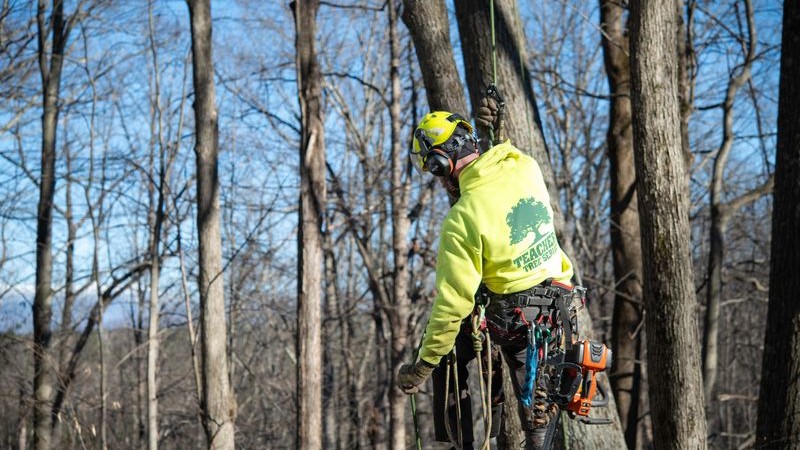
Mature and neglected fruit trees often require climbing and specialized equipment — work best handled by a Certified Arborist.
Need Help Caring for Your Vermont Fruit Trees? Call Teachers Tree Service!
Vermont’s climate will always be demanding — late frosts, wet springs, and hungry pests aren’t going anywhere. But harvesting your own apples, pears, and plums is one of the best parts of living here, and the difference between a tree that produces and one that disappoints comes down to consistent, well-timed care.
With over 20 years of experience caring for trees across northwestern Vermont, Teachers Tree Service has the expertise to diagnose what’s going wrong and build a care plan that fits your trees and your property. Give us a call at 802-922-3428 or request a proposal online and let one of our arborists take a look.
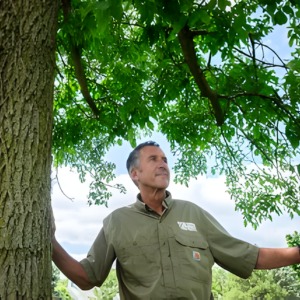
Greg Ranallo
From the classroom to the trees
Greg Ranallo has been working with trees since he was 19 years old — a passion that began long before it became a profession. After earning a master's degree in education and teaching high school social studies in his native Minnesota, Greg ultimately followed the calling he'd had since boyhood and built Teacher's Tree Service into one of the Champlain Valley's most trusted arboriculture companies. As he puts it, "I was always more a tree guy who was teaching than a teacher who did tree work."
Our Articles
Why Won’t My Shrub Lose Its Leaves in Vermont?
When a shrub won't lose its leaves while the rest of your Vermont yard goes bare, it's usually invasive buckthorn or honeysuckle. Here's how to tell which.
Is Fall a Good Time to Plant a Tree in Vermont?
Wondering if fall is too late to plant a tree in Vermont? See the local frost timeline, best species picks, and the mistakes that kill new trees.
How Can You Tell If a Tree Is Dangerous?
Worried a tree could fall on your property? Learn the warning signs Vermont arborists check first—and when to book a hazard assessment in Chittenden County.
