Tree Insect & Disease Control in Northwestern Vermont
Diagnosis and Treatment from ISA Certified Arborists to Protect the Long-Term Health of Your Trees
Take Advantage of the Dormant Season
Winter is ideal for pruning and tree removal. Reserve your spot now before the schedule fills.
Pest and Disease Treatment That Starts with a Diagnosis
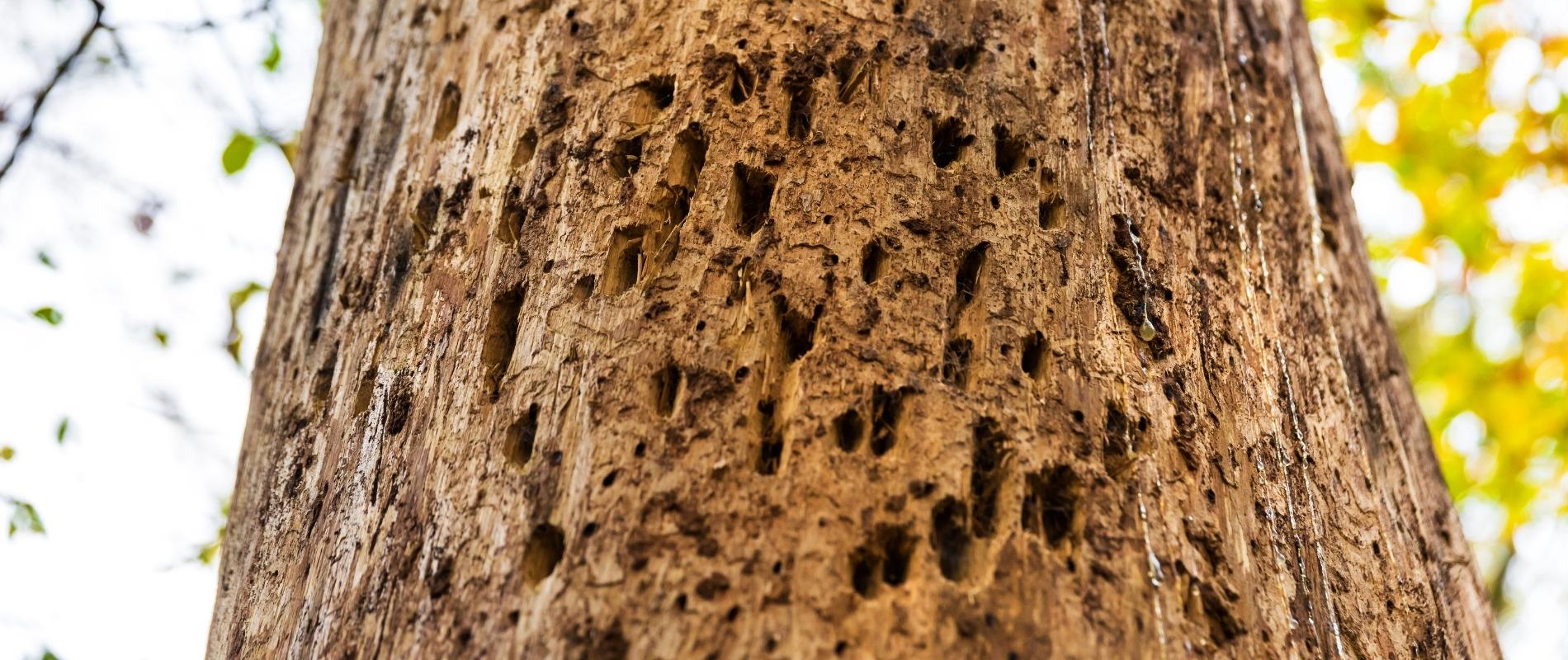
When something's wrong with your trees — leaves dropping early, bark splitting, strange holes in the trunk, — the first step is understanding what’s causing it. Our ISA Certified Arborists identify the specific pest or disease affecting your trees, explain what's happening and why, and build a treatment plan based on current arboricultural science. Not every tree problem requires treatment, and not every treatment works the same way. We'll be straightforward about what's realistic for your situation.


Common Tree Pests and Diseases in Northwestern Vermont
Vermont's climate and tree species mix make our region vulnerable to a growing list of insect and disease threats. Here's what our plant health care team treats most often:
Emerald Ash Borer (EAB)
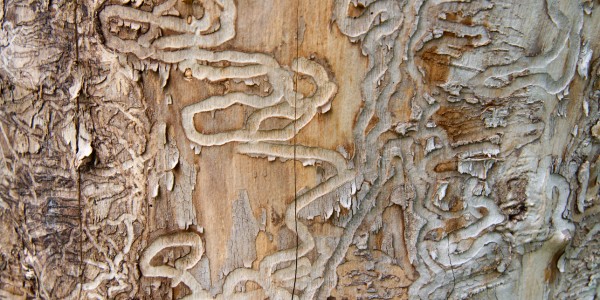
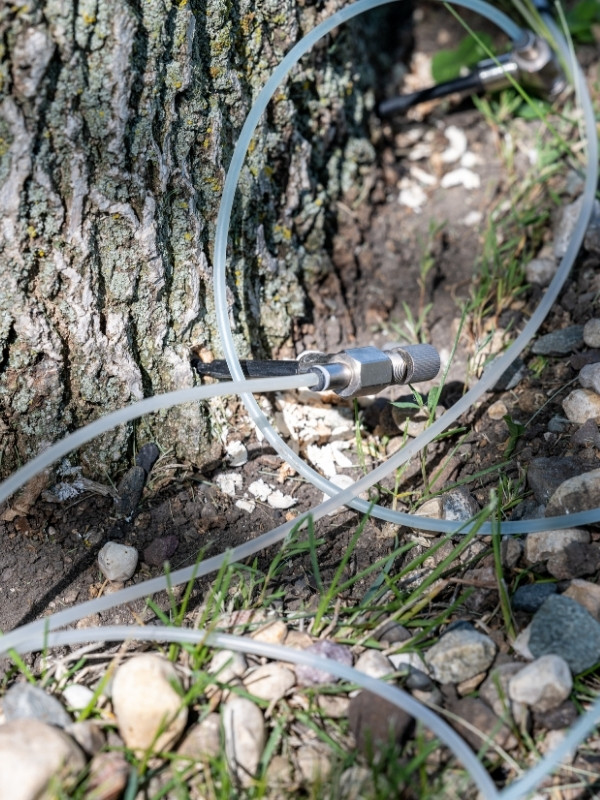
The single biggest threat to trees in our region right now. EAB is actively spreading through Chittenden County, and untreated ash trees face near-100% mortality. We protect ash trees with trunk micro-injections that provide up to two years of protection per treatment. The window to treat is before visible damage appears — trees that already show significant crown thinning are often too far gone.
Beech Leaf Disease (BLD)
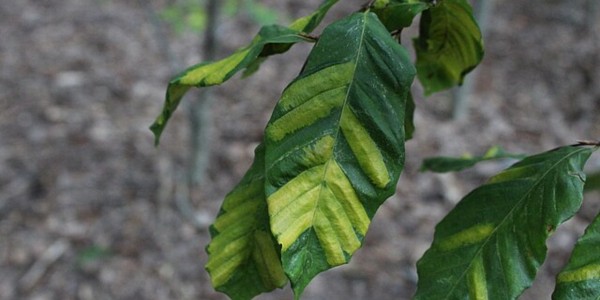
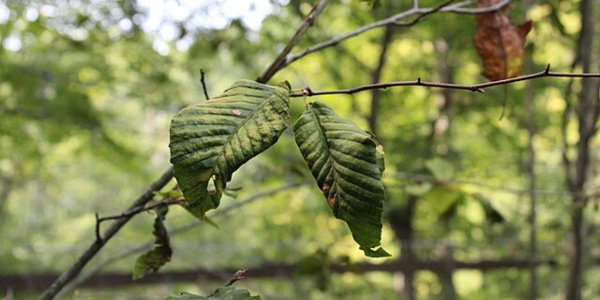
An emerging threat caused by microscopic nematodes, BLD is now spreading through Vermont's forests and residential landscapes. We use a combination of trunk injections, soil injections, and bark spray applications, available from leaf-out through early August.
Dutch Elm Disease (DED)
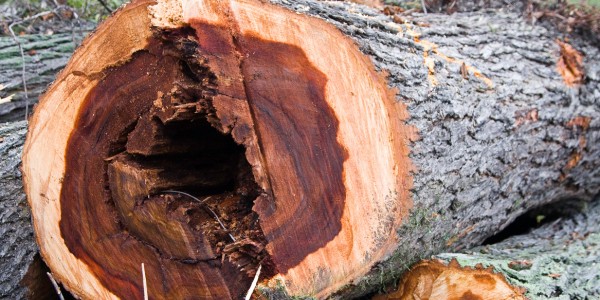
Considering there are still tens of thousands of American elms scattered throughout Vermont, DED continues to remain an active threat. Preventive fungicide injections can protect healthy elms for up to three years per application. Our arborists monitor protected elms annually and schedule re-injections based on each tree's treatment history.
Boring Insects
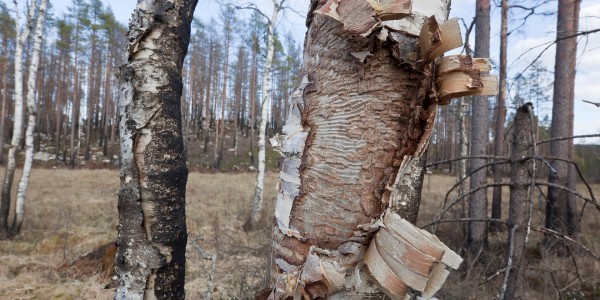
Insects that tunnel beneath bark disrupt water and nutrient flow, often killing trees from the inside out. Beyond EAB, bronze birch borer targets stressed birch trees and is treatable with micro-injections that provide two years of protection.
Scale Insects
Fungal & Bacterial Diseases
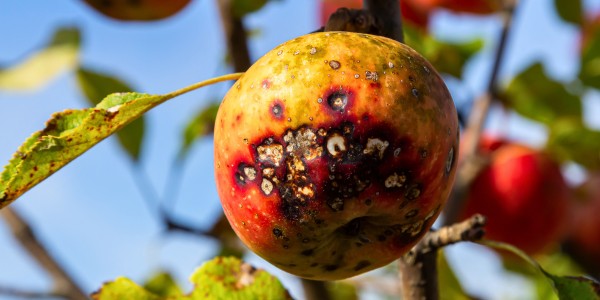
Vermont's humid summers fuel several fungal and bacterial problems, including apple scab, cytospora canker, diplodia tip blight, fire blight, and rhizosphaera needle cast. We treat these with targeted fungicide applications, growth regulators that support the tree's own immune response, and cultural recommendations to reduce reinfection risk. Some diseases respond well to treatment; others can only be managed. We'll tell you which you're dealing with.
Other Pests
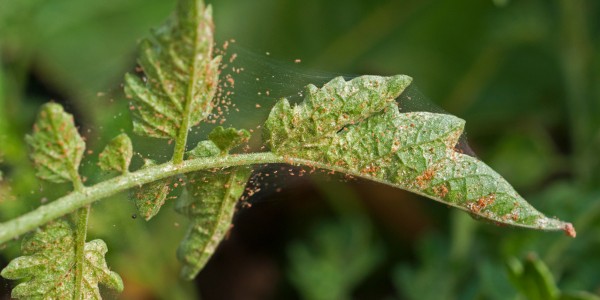
Spider mites, boxwood psyllids, and boxwood blight are also in our treatment lineup. If you see something unusual on your trees or shrubs, give us a call; our arborists can identify the problem and let you know whether treatment is warranted.
How to Tell if Your Trees Need Treatment
Not every brown leaf or bare branch signals trouble, but certain symptoms are worth a closer look. Contact an arborist if you notice:
Premature Leaf Drop or Discoloration: Leaves turning brown, yellow, or falling months before neighboring trees of the same species
Holes or Sawdust in the Bark: D-shaped exit holes, round bore holes, or sawdust-like frass collecting at the base of the trunk
Silk Tents or Webbing: Visible webs in branch crotches or along limbs during spring and summer
Progressive Needle Loss on Conifers: Spruce or pine needles turning purple-brown and dropping from the inner canopy outward over successive seasons
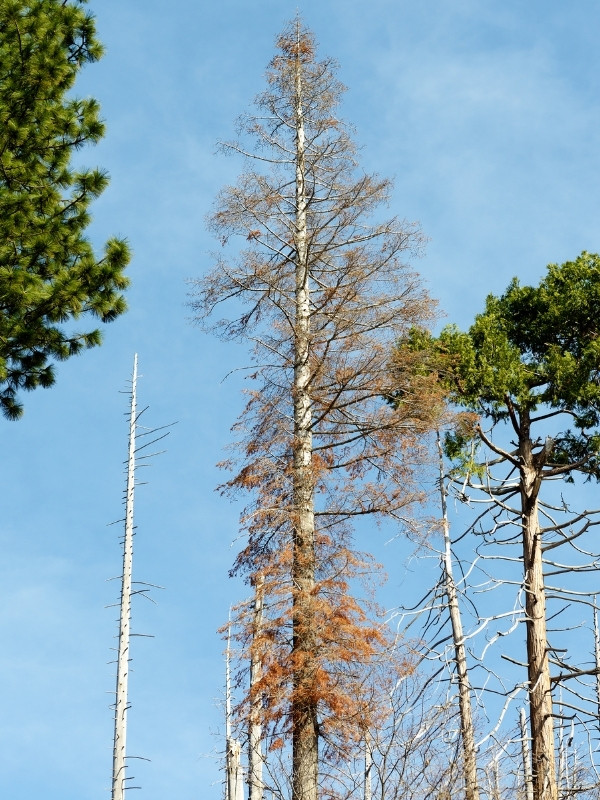
Crown Thinning or Dieback: Gradually thinning canopy, smaller-than-normal leaves, or branch death spreading from the top down
When in doubt, it's better to have an arborist take a look. Many symptoms overlap across different pests and diseases, and accurate diagnosis is essential to choosing the right treatment.
Concerned About a Tree on Your Property?
The sooner a pest or disease problem is identified, the more treatment options you have — and the better the odds of saving your tree. Don't wait until damage is obvious.
What Sets Teachers Apart for Tree Health Care
Pest and disease treatment isn't something every tree company does well. Here's why our clients trust us with the health of their trees:
8 ISA Certified Arborists Diagnosing Your Trees
While many tree companies send a salesperson, we send a Certified Arborist with a background in forest ecology, field research, or ecological restoration. Accurate diagnosis drives effective treatment — and that takes genuine expertise, not a spray schedule.
4 Licensed Pesticide Applicators on Staff
Tree pest and disease treatments involve regulated products that require proper licensing, training, and precise application. With four Vermont-licensed applicators on our team, we have the capacity to handle time-sensitive treatments across our full service area without delays.
Locally Owned Company, Not a National Chain
We've been an independent Vermont business since 2003 — not a franchise or a corporate subsidiary. That means our treatment recommendations are based on what your trees actually need, reviewed by arborists who live and work in this community. That accountability shows in our 90% repeat customer rate.
TCIA Accredited for Safety and Quality
Teachers Tree Service is one of only two TCIA-accredited companies in Northwestern Vermont. Fewer than 400 tree care companies nationwide hold this credential, which requires meeting the industry's highest standards for safety, training, and business practices.
Our Treatment Process: From Diagnosis to Ongoing Care
Every treatment plan starts with understanding the problem. Here's what to expect when you work with us:
Inspection & Diagnosis
A consulting arborist visits your property to examine the affected trees, identify the pest or disease, and assess how far it's progressed.
Custom Treatment Plan
We develop a tailored recommendation based on the pest, tree species, tree condition, and time of year — with a detailed proposal before any work begins.
Professional Application
Our licensed applicators carry out the treatment using the appropriate method, scheduled around weather conditions and pest life cycles for maximum effectiveness.
Monitoring & Follow-Up
We track treated trees and schedule re-treatments as needed. Clients on our Tree & Shrub Management Plan get annual monitoring built in so new problems are caught early.
Learn More About Vermont Tree Pests and Diseases
Want to identify what's affecting your trees or learn more about the threats in our region? Visit our Guide to Tree Pests & Diseases in Vermont for detailed information on identification, symptoms, and treatment for the most common insects and diseases in Northwestern Vermont. You can also browse our blog for seasonal tree health articles, pest alerts, and practical tips for keeping your landscape healthy.
Is Fall a Good Time to Plant a Tree in Vermont?
September 16, 2026 | Updated: October 8, 2026 | Tree Care Tips
Wondering if fall is too late to plant a tree in Vermont? See the local frost timeline, best species picks, and the mistakes that kill new trees.
How Can You Tell If a Tree Is Dangerous?
August 17, 2026 | Updated: October 8, 2026 | Tree Safety
Worried a tree could fall on your property? Learn the warning signs Vermont arborists check first—and when to book a hazard assessment in Chittenden County.
Why Is My Big Old Tree Dying from the Top Down?
July 24, 2026 | Updated: October 8, 2026 | Tree Care Tips
Is your mature tree dying from the top down? The cause is almost always below ground—and often reversible when caught early. See what causes it and when to act.
Where We Provide Pest and Disease Treatment in Vermont
Our plant health care team covers a wider service area than our tree care crews, since PHC work requires less heavy equipment. We treat trees throughout Northwestern Vermont, including Chittenden County and beyond.
Not seeing your area listed? We provide insect and disease across Northwestern Vermont; give us a call at (802) 316-1545.
Frequently Asked Questions About Tree Pests and Diseases in Northwestern Vermont
Talk With an Arborist About Your Tree’s Health
Vermont's insect and disease pressures are getting worse, not better. Whether you've noticed symptoms or just want peace of mind, our Certified Arborists can assess your trees and let you know where you stand. The earlier you act, the more options you have.


