Tree Planting by Certified Arborists
Proper Species Selection, Correct Installation, and Long-Term Success from Day One
Take Advantage of the Dormant Season
Winter is ideal for pruning and tree removal. Reserve your spot now before the schedule fills.

Too Many Trees Fail Before They Ever Get Started
Planting a tree seems simple. But the reality is that improper planting is one of the leading causes of early tree decline and death. Trees planted too deep, in the wrong soil conditions, or without proper root preparation often struggle for years before failing entirely — and by then, most homeowners have no idea what went wrong.
That's exactly why Teachers Tree Service started offering professional planting. After years of diagnosing struggling trees and tracing the problems back to how they were planted, our team decided it was time to do it right from the start.



What Professional Tree Planting Actually Involves
A tree is only as healthy as the decisions made before, during, and after it goes in the ground. Here's what our arborists focus on:
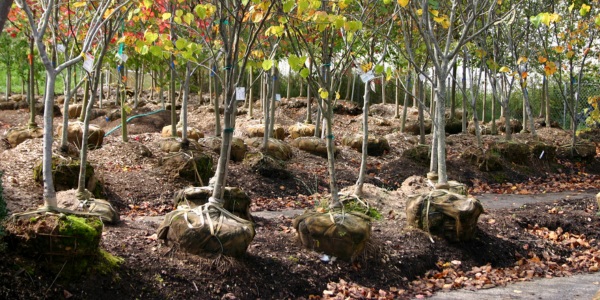
Species Selection & Site Assessment
Choosing the right tree for the right location is the single most important decision in the planting process. Our arborists evaluate your site's soil type, drainage, sun exposure, wind patterns, and proximity to structures and utilities before recommending species that will thrive in your specific conditions. We prioritize native Vermont species whenever possible — trees like sugar maples, red oaks, white pines, and eastern hemlocks that are adapted to our climate, soils, and ecosystem.
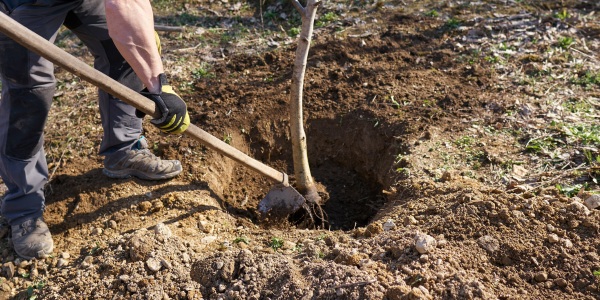
Proper Planting Depth
Planting too deep is the most common (and most damaging) mistake we see. When the root flare is buried below the soil surface, the trunk stays constantly moist, bark begins to decay, and girdling roots develop that slowly strangle the tree from below. Our arborists set the root flare at the correct height relative to the surrounding grade, so the trunk-to-root transition sits exactly where it should.
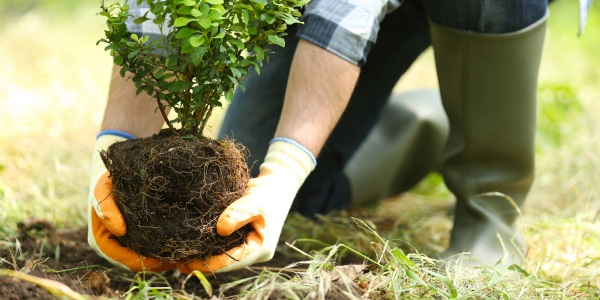
Root Preparation
Container-grown and balled-and-burlapped trees often arrive with circling, kinked, or matted roots that will never grow outward on their own. Left uncorrected, these roots circle the root ball and eventually girdle the trunk, cutting off the tree's own nutrient supply. We carefully inspect and correct the root system before the tree ever touches the planting hole.
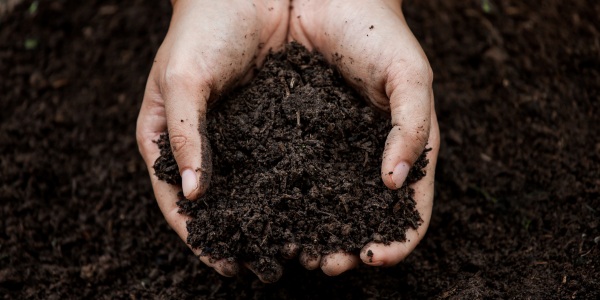
Soil Preparation & Amendments
Vermont's soils vary dramatically, from the heavy clay to the rocky, thin soils in the foothills. Our arborists assess your soil conditions and amend the backfill, when necessary, with compost and organic matter to give new roots the best possible growing environment. We also address drainage issues and soil compaction that can suffocate roots before the tree has a chance to establish.
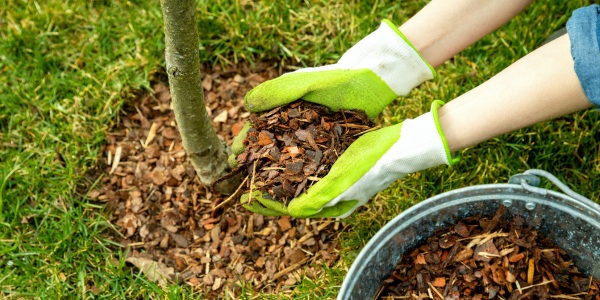
Proper Mulching
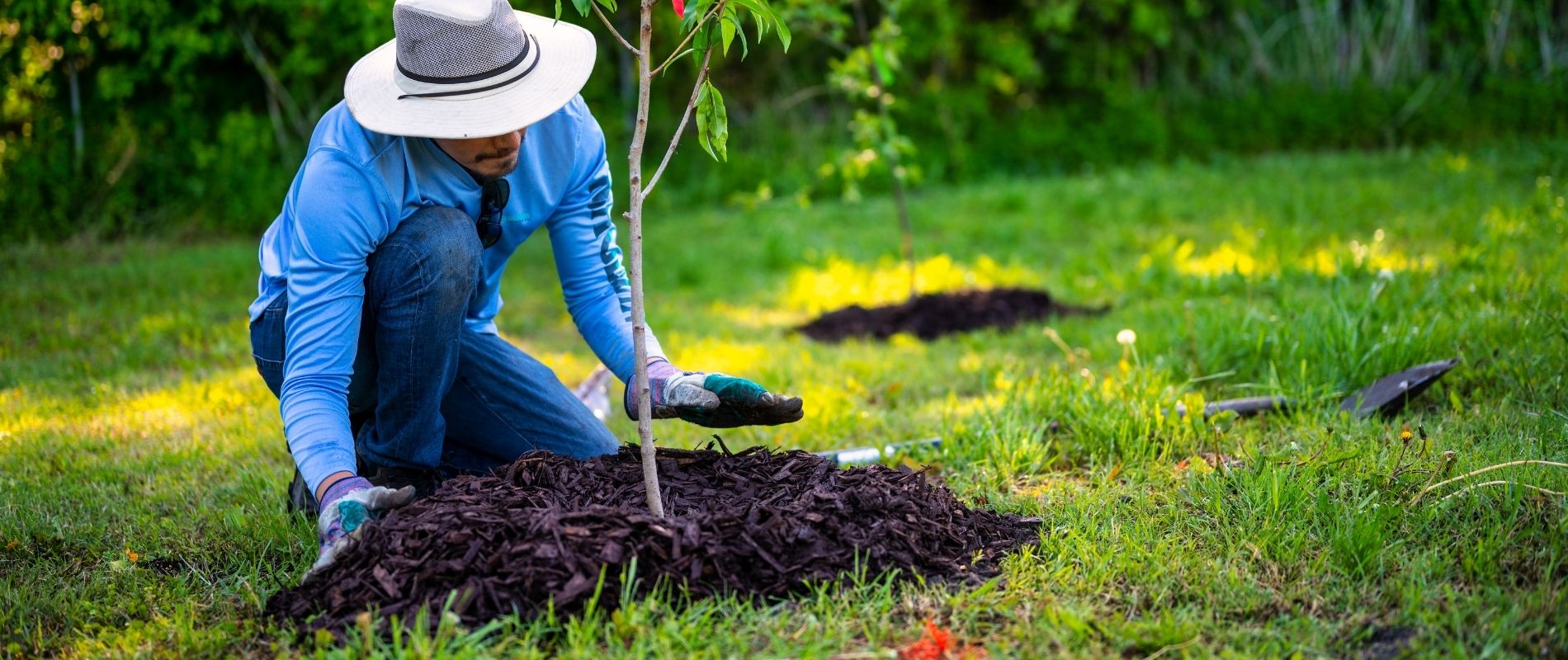
A well-built mulch ring is one of the single best things you can do for a newly planted tree. It retains moisture, moderates soil temperature, suppresses competing weeds and grass, and keeps lawn mowers and weed whackers away from the trunk. We install every mulch ring at the correct depth and diameter, and never create the "mulch volcanoes" that cause bark decay and root problems.
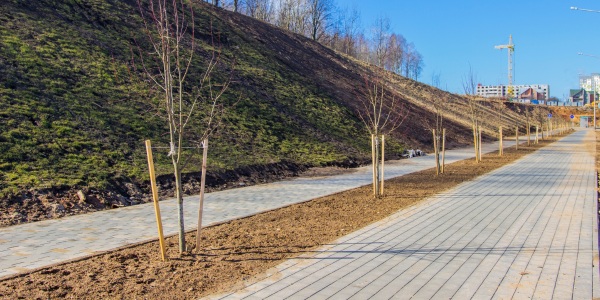
Staking & Support (When Needed)
Not every tree needs staking, and improper staking can actually harm a tree by preventing the natural trunk movement that builds structural strength. When staking is necessary — typically for top-heavy trees or exposed, windy sites — we install supports correctly and remove them at the right time.
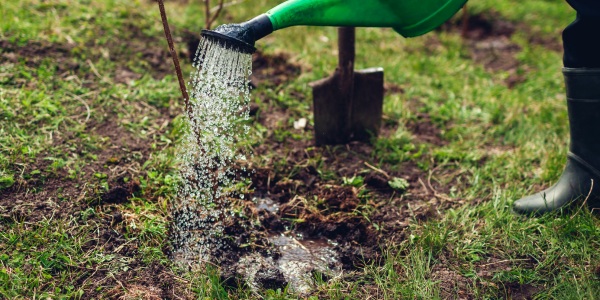
Post-Planting Watering Guidance
A newly planted tree hasn't established the root system it needs to find water on its own, so consistent watering during the first year is essential for survival. We provide specific watering instructions tailored to your tree species, soil type, and site conditions, so you know exactly what your new tree needs and when.
Ready to Add the Right Tree to Your Property?
Our arborists will evaluate your site, recommend species that will thrive in your specific conditions, and handle every detail of the planting process.
The Process We Follow for Every Tree We Plant
From the initial conversation to the final mulch ring, here's what to expect when you work with Teachers Tree Service:
Site Consultation
One of our ISA Certified Arborists visits your property to evaluate the planting location. We look at the full picture and talk with you about what you are hoping for. If you already have a species in mind, we will let you know whether it is a good fit. If you are not sure what to plant, we will recommend options based on your goals — shade, privacy, seasonal color, wildlife habitat, or replacing a tree that was removed.
Proposal & Species Recommendation
We provide a detailed written proposal that includes our species recommendation, the nursery stock we will source, soil amendments needed, and a clear breakdown of pricing. We prioritize native Vermont species whenever possible and inspect every tree before planting.
Professional Installation
Our crew handles every detail and follows all current arboricultural best practices for site preparation, root system inspection and correction, setting the tree at the proper depth, backfilling with amended soil, building a proper mulch ring, and staking if conditions call for it.
Post-Planting Care Instructions
Before we leave, we walk you through everything your new tree needs during the first year — watering schedule, mulch maintenance, and what to watch for as the tree establishes. Your planting includes a one-year plant survival guarantee, subject to following the post-planting care recommendations we provide.
Ongoing Support
Trees do not stop needing attention after the first year. As your tree establishes and grows, our arborists can provide structural pruning to develop strong branch architecture, deep root fertilization to support root development, and pest and disease monitoring to catch problems early. We plant trees with their entire future in mind — and we are here to care for them at every stage.
Local Tree Planting Across Northwestern Vermont
Our tree planting services are available throughout Northwestern Vermont. Whether you are replacing an ash tree lost to emerald ash borer in Colchester or adding shade trees to a lakefront property in Charlotte, our crew works throughout the region.
Questions about service in your area? Give us a call at (802) 316-1545.
Why Plant with Teachers Tree Service?
Most tree service companies focus on taking trees down. We got into planting because we got tired of treating trees that were set up to fail from day one. After years of diagnosing these problems, our team decided the best way to stop fixing planting mistakes was to start doing the planting ourselves. Here’s why residents throughout Northwestern Vermont trust us with their trees:
TCIA Accreditation
We are one of just eight TCIA-accredited companies in Vermont and one of only two that are locally owned. This accreditation holds us to the highest standards for safety, training, and customer service across every service we provide.
One-Year Plant Survival Guarantee
Every tree and shrub installation includes a one-year survival guarantee. When species selection, planting depth, root preparation, and soil conditions are handled correctly, trees take root and grow as they should — and we stand behind that standard.
Native Species Expertise
Our arborists have educational and professional backgrounds in forest ecology, wildlife and fisheries, and ecological restoration. We understand which native species thrive in Vermont's specific climate and soil conditions, and we prioritize trees that support our local ecosystem.
Full-Service Tree Care, Before and After
Unlike a landscaper or garden center, we care for trees at every stage of life — from planting and structural pruning to pest management, fertilization, and preservation. When you plant with Teachers, you are choosing a long-term partner for your tree's health, not just a one-time installation.
Invested in Vermont’s Tree Canopy
The trees planted today shape Vermont’s landscape for generations. We approach every planting project with that responsibility in mind by selecting species suited to our region and installing them according to professional standards that support long-term health.
Expert Tree Care Advice from Our Arborists
Whether you are deciding what to plant, when to plant, or how to care for a newly planted tree, our blog provides practical guidance from our ISA Certified Arborists.
Why Won’t My Shrub Lose Its Leaves in Vermont?
October 14, 2026 | Updated: October 19, 2026 | Seasonal Tree Care
When a shrub won’t lose its leaves while the rest of your Vermont yard goes bare, it’s usually invasive buckthorn or honeysuckle. Here’s how to tell which.
Is Fall a Good Time to Plant a Tree in Vermont?
September 16, 2026 | Updated: October 8, 2026 | Tree Care Tips
Wondering if fall is too late to plant a tree in Vermont? See the local frost timeline, best species picks, and the mistakes that kill new trees.
How Can You Tell If a Tree Is Dangerous?
August 17, 2026 | Updated: October 8, 2026 | Tree Safety
Worried a tree could fall on your property? Learn the warning signs Vermont arborists check first—and when to book a hazard assessment in Chittenden County.
Frequently Asked Questions About Tree Planting
Plant the Right Tree, the Right Way
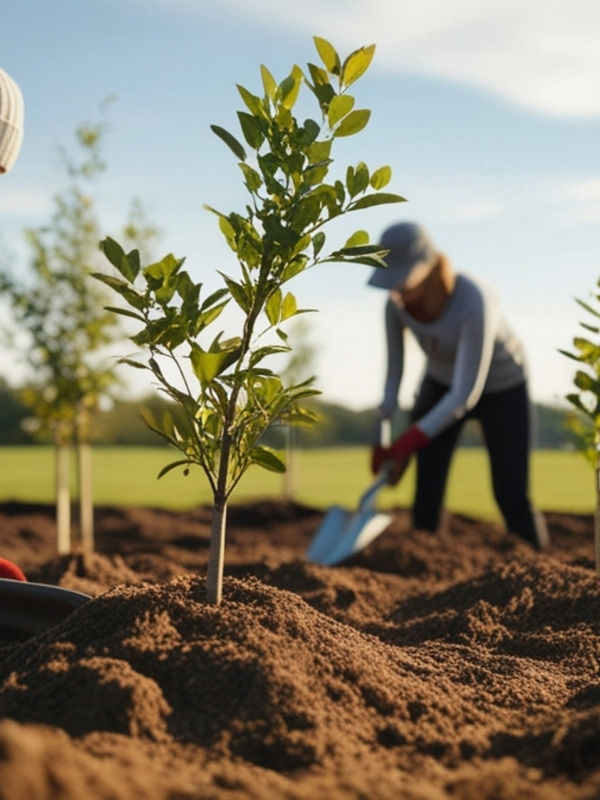
A well-planted tree adds beauty, shade, property value, and ecological benefit to your landscape for generations. Our ISA Certified Arborists will help you choose the right species, plant it correctly, and set it up for decades of healthy growth.


