Root Zone & Soil Care for Healthier Trees
Expert Diagnosis and Treatment of Underground Problems That Cause Trees to Decline
Take Advantage of the Dormant Season
Winter is ideal for pruning and tree removal. Reserve your spot now before the schedule fills.

Healthy Trees Start with Healthy Soil and Roots
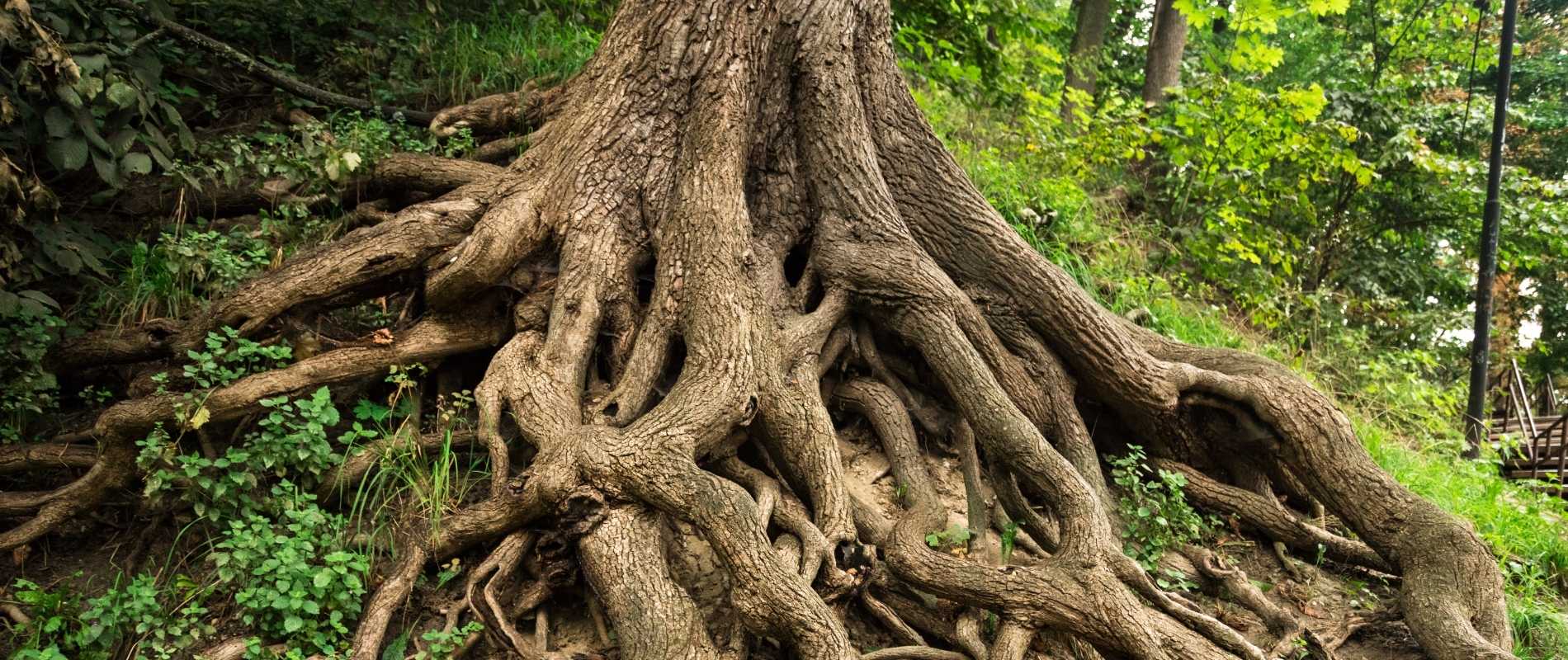
A tree's canopy is only as healthy as the roots and soil supporting it. And in our experience, the vast majority of struggling trees don't have a canopy problem at all — they have a root zone problem that has been building underground for years.
Teachers Tree Service's ISA Certified Arborists specialize in diagnosing and treating the below-ground conditions, like compacted soil, girdling roots, buried root collars, and poor drainage, that most people overlook entirely. With decades of experience in Vermont's unique soils, we can see what is actually happening in the root zone and fix it before the damage becomes irreversible.



Signs Your Tree May Have a Root Zone or Soil Problem
Many root and soil problems develop slowly and go unnoticed until the tree begins showing signs of stress above ground. These are some of the most common indicators that something may be wrong in the root zone.
Thinning Canopy or Stunted Growth: If your tree's canopy has been gradually thinning over several years, or new growth is noticeably shorter than it used to be, the tree is not getting the water and nutrients it needs.
Undersized, Pale, or Yellowing Leaves: Leaves that are smaller than normal, lighter in color, or yellowing between the veins are classic signs of nutrient deficiency or root stress. This does not always mean the soil lacks nutrients — it often means the roots cannot access them.
Early Fall Color or Premature Leaf Drop: When a tree turns color or drops its leaves weeks before the rest of the trees in your yard, it is under stress. The tree is essentially shutting down early because its root system cannot support a full growing season.
Mushrooms or Fungal Growth at the Base: Fungal fruiting bodies growing at the base of a tree or along surface roots often indicate decay in the root system or lower trunk. This happens when the bark is constantly moist, creating ideal conditions for wood-decay fungi.
Heaving Roots or Soil Cracking: Roots pushing up through the soil surface, or visible cracking in the soil around the trunk, can signal a root system that is circling, girdling, or running out of room to expand.
Leaning or Instability: A tree that has started leaning gradually may have root system problems, including root decay, severed roots from construction or excavation, or soil erosion that has undermined the root plate.
Trunk Flare That Has Disappeared: If your tree looks like a telephone pole going straight into the ground with no flare visible, the root collar is buried. This is one of the most damaging conditions for a tree, and it is also one of the most common.

Services We Provide to Help the Root Zone
When our arborists identify a root or soil problem, we have the diagnostic tools and treatment methods to address it. Here is what we offer and when each service is typically recommended.
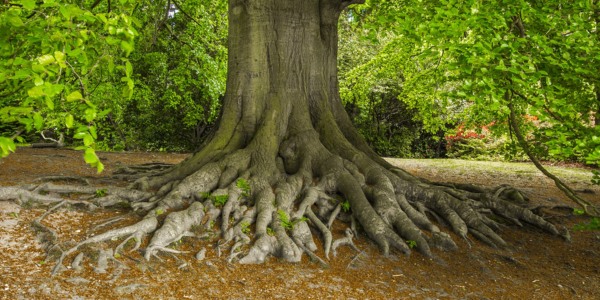
Root Collar Inspection
Our air spade uses high-pressure compressed air to excavate soil from the root zone without damaging roots — something impossible with shovels or mechanical equipment. This allows our arborists to expose the root collar, inspect for decay, girdling roots, and pest damage, and examine the broader root system for problems that are invisible from the surface. If we find issues, we can often correct them on the spot.
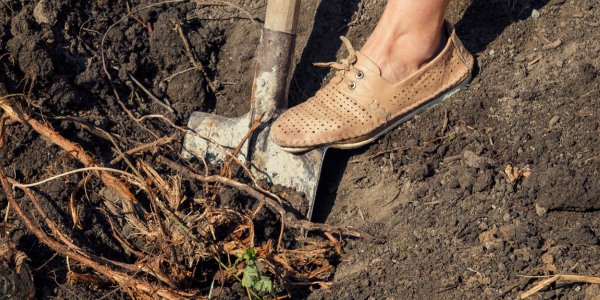
Root Pruning
Girdling roots wrap around the trunk or other roots and slowly cut off the flow of water and nutrients, eventually killing an otherwise healthy tree. When we find problematic roots during an inspection, we prune them to stop the damage and allow the tree to recover. Timing and technique matter, which is why root pruning should always be done by a Certified Arborist.
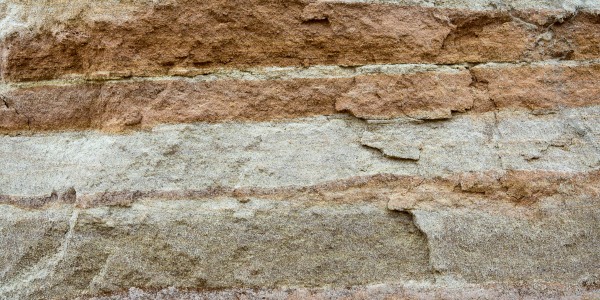
Soil Decompaction
Construction equipment, vehicle traffic, and decades of lawn maintenance can compress soil to the point where roots cannot grow and water cannot drain. Our decompaction service breaks up those compacted layers and restores the soil structure your tree's roots need to function. This service is available in combination with other root zone treatments.
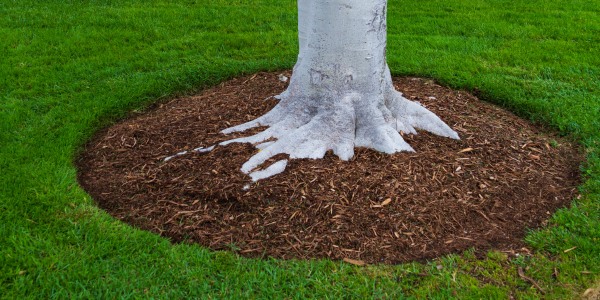
Mulch Ring Installation
A proper mulch ring is one of the single best things you can do for tree health — it retains moisture, moderates soil temperature, and keeps weed whackers away from the trunk (the number one cause of preventable tree damage). We install mulch rings at the correct depth and diameter, and we fix existing mulch volcanoes that are trapping moisture against the bark and encouraging decay.
Ongoing Root Zone Management
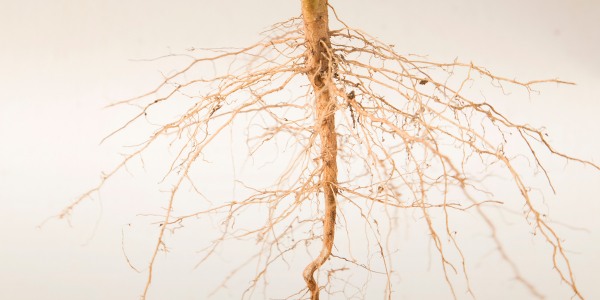
Root zone problems are not always solved with a single treatment. For high-value trees or trees recovering from significant stress, our arborists can develop a multi-year plan that includes periodic inspections, soil amendments, and monitoring. Root zone care also integrates with our other plant health care services, including deep root fertilization and Cambistat treatments that promote fibrous root development in stressed trees.
Think Your Tree Has a Root or Soil Problem?
If your tree is showing signs of stress and you are not sure why, the answer is often in the root zone. Our arborists will diagnose the problem and recommend targeted treatments to get your tree’s health back on track.
How We Diagnose and Treat Root Zone & Soil Problems
Root and soil problems require careful diagnosis before treatment begins. Our process focuses on understanding what is happening underground so we can recommend the right corrective approach.
Arborist Consultation
One of our ISA Certified Arborists visits your property to evaluate the tree and the surrounding site. We look at the symptoms above ground, assess the soil and drainage conditions, and determine whether a root zone investigation is warranted. We will talk with you about what you have been noticing, how long the problem has been developing, and any recent changes to the site, such as construction, grading, irrigation changes, or new landscaping.
Diagnostic Investigation
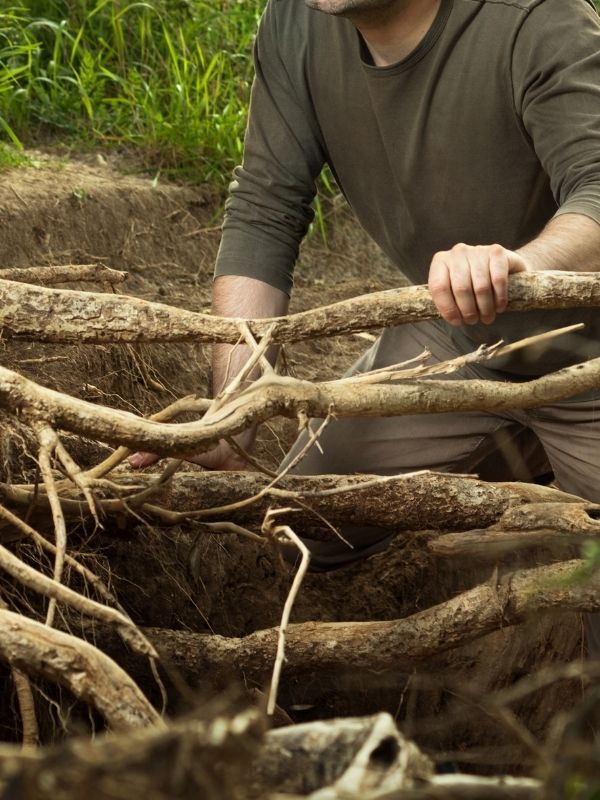
If the consultation points to a root zone problem, we use our air spade to excavate the root collar and examine the root system without causing damage. This is the step where we identify the specific issue — girdling roots, buried root collar, soil compaction, root decay, or other conditions that are invisible from the surface.
Treatment Recommendation
Based on what we find, we provide a clear explanation of the problem and our recommended treatment plan. This might include root pruning, soil decompaction, corrective mulching, soil amendments, or a combination of approaches. For complex cases, we may recommend integrating root zone treatment with other plant health care services, like fertilization or Cambistat, to give the tree the best chance of recovery.
Treatment & Corrective Work
Our crew performs the recommended treatments. All root zone work is invoiced based on actual crew time at our hourly rate, with a minimum price that applies.
Follow-Up & Monitoring
Root zone problems often require time and patience to resolve. We will let you know what recovery signs to look for and when to expect them. For trees that need ongoing care, we can schedule follow-up inspections and treatments to track progress and adjust the plan as the tree responds.
Helping Trees Throughout Northwestern Vermont
Our arborists help homeowners throughout Chittenden, Addison and Grand Isle counties diagnose and treat root zone problems that impact tree health. From compacted soil to girdling roots, we provide science-based solutions that support stronger, healthier trees.
Questions about service in your area? Give us a call at (802) 316-1545.
Why Homeowners Trust Teachers for Soil & Root Zone Care
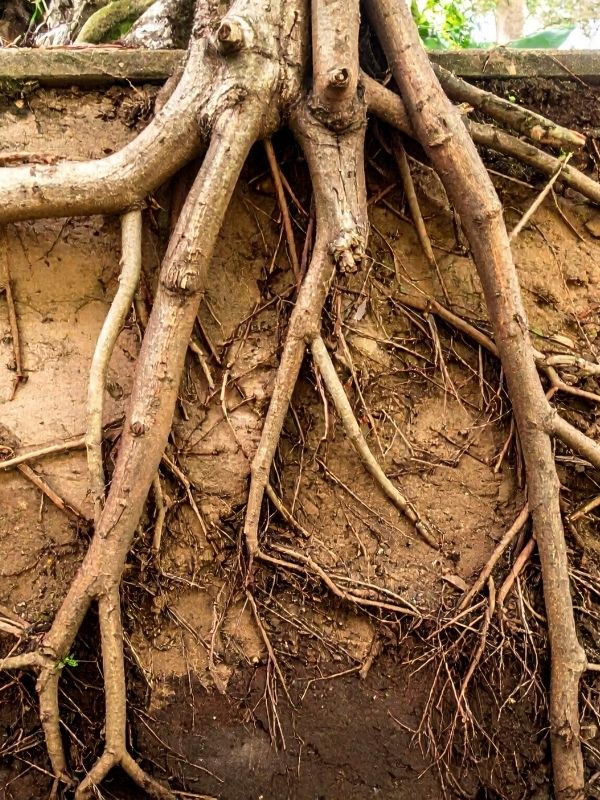
Root zone problems are often overlooked because the real issue is hidden underground. Homeowners rely on Teachers Tree Service to diagnose these problems, explain what’s happening, and recommend solutions that protect the long-term health of their trees.
Expertise People Rely On
Teachers Tree Service is known throughout Northwestern Vermont for thoughtful, knowledgeable tree care. Our team includes eight ISA Certified Arborists — more than any other company in the state — and homeowners often call us when they want a clear, informed answer about what is happening with their trees.
We Focus on the Cause, Not Just the Symptoms
Many declining trees are treated repeatedly without anyone identifying the underlying problem. Our approach is different. We investigate what is happening in the root zone and surrounding soil, so we can recommend treatments that actually address the cause of the stress.
A Preservation-First Philosophy
Whenever possible, our goal is to preserve healthy trees rather than remove them. Root zone care, soil improvements, and targeted treatments can often stabilize trees that might otherwise continue declining. Helping trees recover is one of the most rewarding parts of our work.
Education Is Part of the Service
We believe homeowners should understand what is happening with their trees. Our arborists take time to explain what they find, what the underlying issue is, and what options are available so you can make informed decisions about your landscape.
Deep Experience in Vermont’s Soils
Diagnosing root problems requires understanding how local soils behave. From heavy clay to rocky hillside properties and compacted suburban yards, our team has decades of experience working with the conditions trees face throughout Northwestern Vermont.
Root & Soil Health Resources from Our Arborists
Understanding what is happening underground can help you make better decisions about your trees. Our blog provides practical guidance from our ISA Certified Arborists on root health, soil care, and the signs that something may be wrong. Visit our blog for more expert advice from Teachers Tree Service.
Is Fall a Good Time to Plant a Tree in Vermont?
September 16, 2026 | Updated: September 16, 2026 | Tree Care Tips
Wondering if fall is too late to plant a tree in Vermont? See the local frost timeline, best species picks, and the mistakes that kill new trees.
How Can You Tell If a Tree Is Dangerous?
August 17, 2026 | Updated: August 17, 2026 | Tree Safety
Worried a tree could fall on your property? Learn the warning signs Vermont arborists check first—and when to book a hazard assessment in Chittenden County.
Why Is My Big Old Tree Dying from the Top Down?
July 24, 2026 | Updated: July 24, 2026 | Tree Care Tips
Is your mature tree dying from the top down? The cause is almost always below ground—and often reversible when caught early. See what causes it and when to act.
Frequently Asked Questions About Root Zone & Soil Care
Let’s Find Out What’s Going on Underground
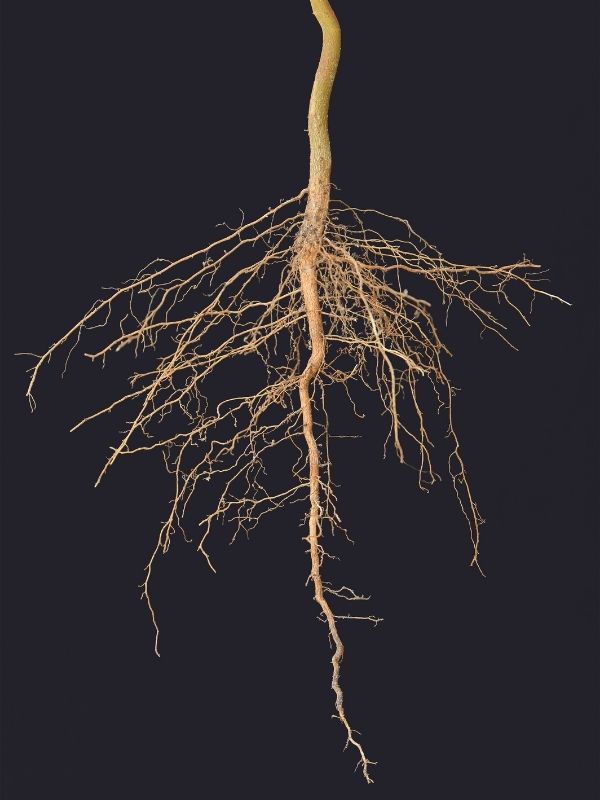
If your tree is struggling and you are not sure why, let our ISA Certified Arborists take a look underground. We will diagnose the problem, explain your options, and recommend treatments that give your tree the best chance at recovery.


