Vermont Insects & Diseases of Trees
What’s Affecting Your Tree?
When it comes to tree health, it’s important to know what you're looking at. Browse our guide to identify common pests and diseases affecting trees in our region — and learn when to call for professional help.
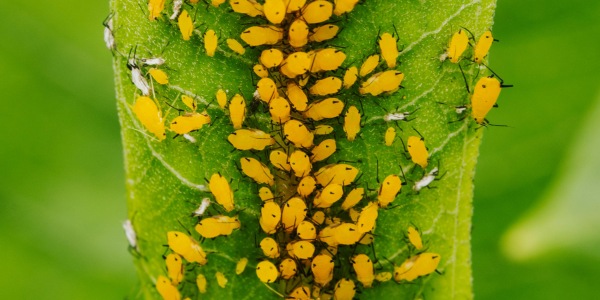
Aphids & Spider Mites
Common sap-feeding pests that damage trees by extracting nutrients and injecting toxins, causing leaf discoloration, curling, and premature drop. Both reproduce rapidly in warm weather, with aphids leaving sticky honeydew and spider mites producing fine webbing as telltale signs of infestation.
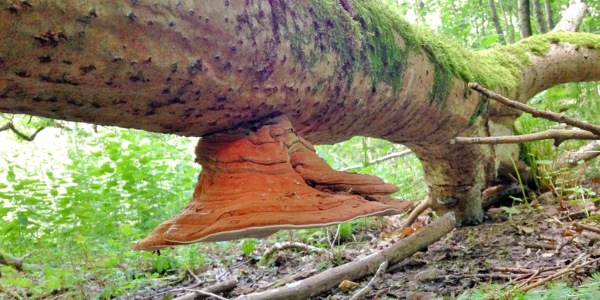
Bacterial, Fungal & Viral Infections
A broad category of diseases caused by various pathogens that can affect tree leaves, bark, roots, and vascular systems. Symptoms vary widely depending on the pathogen and host tree but may include leaf spots, cankers, wilts, root rot, and crown dieback.
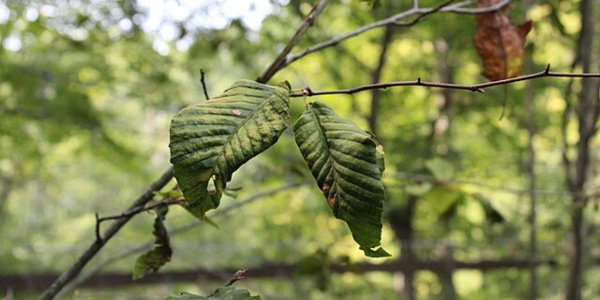
Beech Leaf Disease
An emerging disease first detected in Ohio in 2012 and confirmed in Vermont in 2023 that is caused by a microscopic nematode. Affected beech trees develop dark banding between leaf veins, thickened leaves, and progressive crown decline that can lead to mortality within several years.
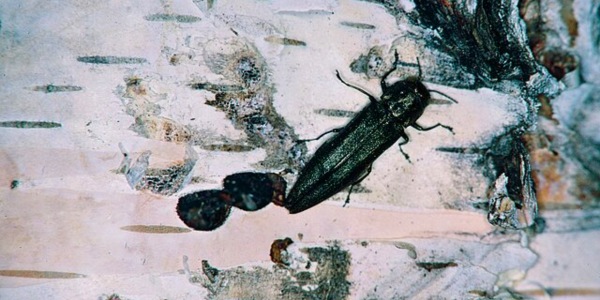
Bronze Birch Borer
A native beetle that primarily attacks stressed or weakened birch trees, particularly white-barked species like paper birch. Infested trees show crown dieback and D-shaped exit holes in the bark as larvae tunnel beneath, eventually girdling and killing branches.
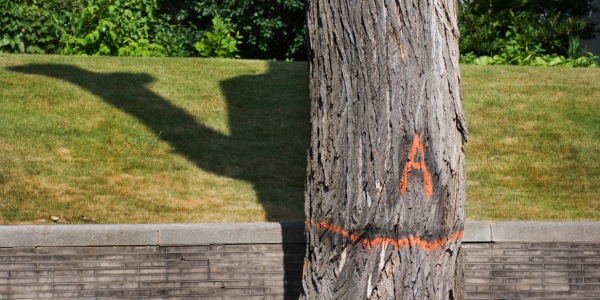
Dutch Elm Disease
A fatal fungal disease spread by elm bark beetles that has devastated American elm populations since the mid-1900s. The disease blocks the tree's water-conducting vessels, causing wilting, yellowing leaves, and death, often within a single growing season.
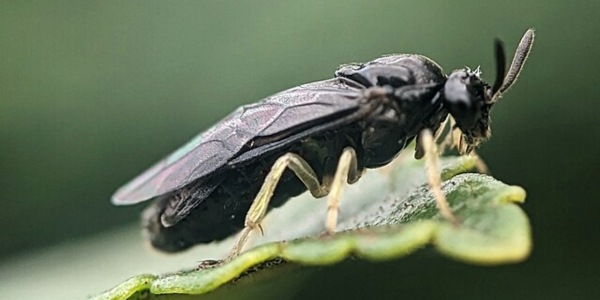
Elm Zigzag Sawfly
An invasive pest from Asia first found in Vermont in 2020 that feeds on elm tree foliage, particularly Chinese and Siberian elms. Larvae consume leaves in a distinctive pattern, and while typically not fatal, severe infestations can cause significant defoliation and stress.
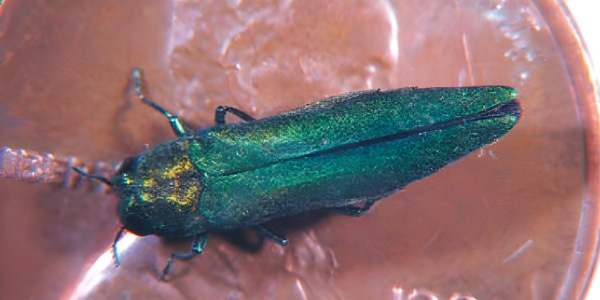
Emerald Ash Borer
An invasive beetle from Asia that has killed millions of ash trees across North America since its discovery in 2002. In Vermont, EAB is actively spreading and threatens the state's ash tree population, with infested trees typically dying within 2-4 years if left untreated.
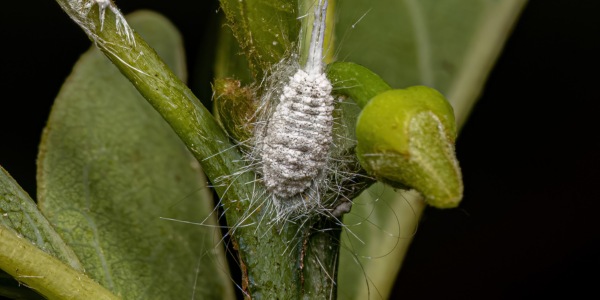
Magnolia Scale
A large, soft-scale insect that feeds on magnolia tree sap, secreting sticky honeydew that attracts sooty mold and wasps. Heavy infestations weaken trees and cause premature leaf drop, branch dieback, and reduced flowering.
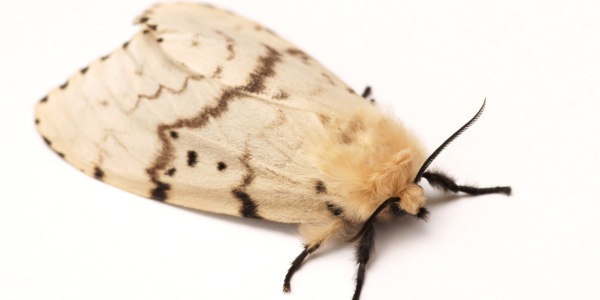
Spongy Moth
Formerly called the “gypsy moth” this destructive defoliating insect’s caterpillars feed on over 300 tree and shrub species, with particular preference for oaks. Severe outbreaks can completely strip trees of foliage, and repeated defoliation weakens trees, making them vulnerable to other pests and diseases.
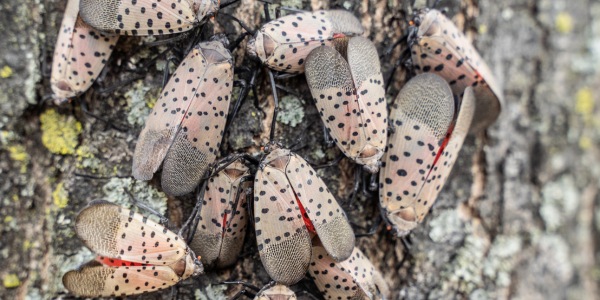
Spotted Lanternfly
An invasive planthopper from Asia that feeds on over 100 plant species and poses a significant threat to trees, vines, and agriculture. While not yet established in Vermont, it has been found in neighboring New York and poses a watchlist threat to the state's maples, fruit trees, and other valuable species.


Get a Professional Diagnosis
Early detection makes all the difference. Our ISA Certified Arborists can identify the problem, explain what's happening, and recommend the right treatment to protect your landscape. Request a proposal to get the process started today.


