
Habitat Enhancement Services in Northwestern Vermont
Restore Native Forests, Control Invasives, Support Wildlife
Take Advantage of the Dormant Season
Winter is ideal for pruning and tree removal. Reserve your spot now before the schedule fills.

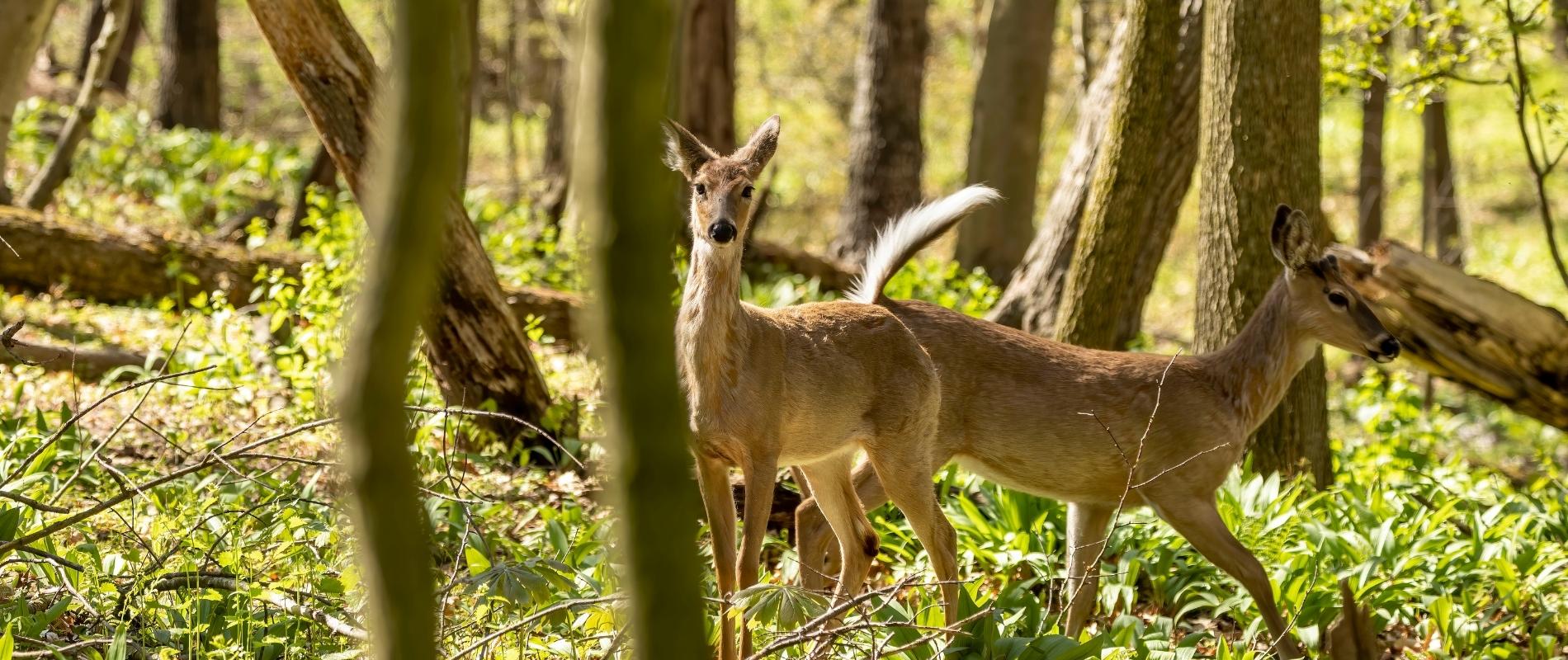
Transform Your Property into a Thriving Wildlife Habitat
Your property can be more than just a beautiful landscape — it can be a healthy ecosystem that supports native wildlife and healthy forest regeneration. Teachers Tree Service offers specialized habitat enhancement services that go beyond traditional tree care. Our ISA Certified Arborists have professional backgrounds in forest ecology, wildlife management, and ecological restoration — the expertise needed to restore your property's ecological value while controlling the invasive species that threaten Vermont's forests.



Wildlife Habitat Restoration Services in Northwestern Vermont
Many Vermont landowners want to support native wildlife and healthy forests, but standard tree care often undermines these goals by removing the very features wildlife needs: dead trees, woody debris, and structural diversity. Our approach is different, grounded in ecological science that works with natural processes rather than against them:
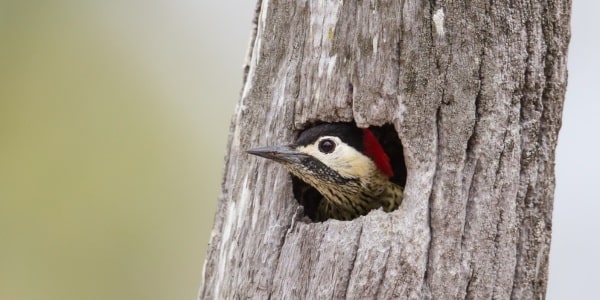
Creating Wildlife Snags (Standing Dead Trees)
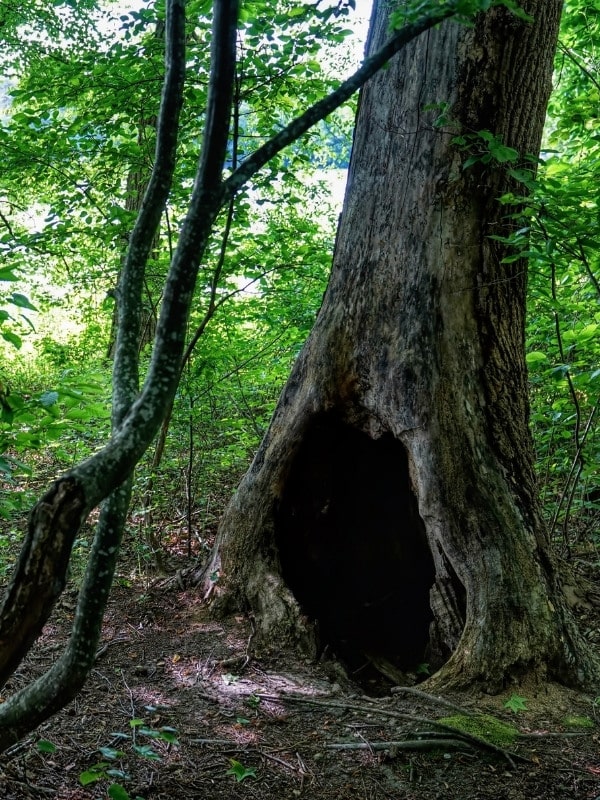
Dead standing trees provide critical habitat for cavity-nesting birds, bats, woodpeckers, and countless other Vermont wildlife species. We mechanically girdle selected trees to create snags in strategic locations — deliberately killing trees but leaving them standing to become nesting sites, foraging areas, and shelter. Our arborists identify the right trees based on your property's habitat structure, safety considerations, and wildlife value.
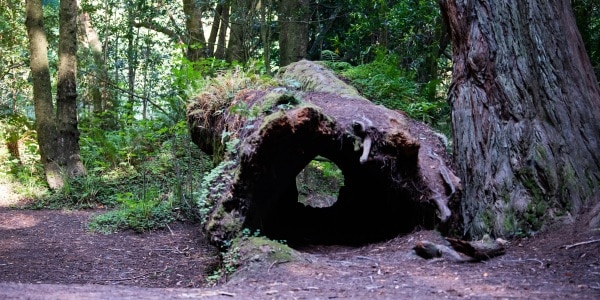
Managing Coarse Woody Debris
Dead logs left on the forest floor are essential for healthy forest regeneration. We cut or bring in coarse woody debris to encourage native seedling growth, create shelter for salamanders and small mammals, support beneficial fungi and decomposers, and slow erosion. This service is particularly valuable after invasive species removal, where woody debris helps desirable native species establish before invasives return.
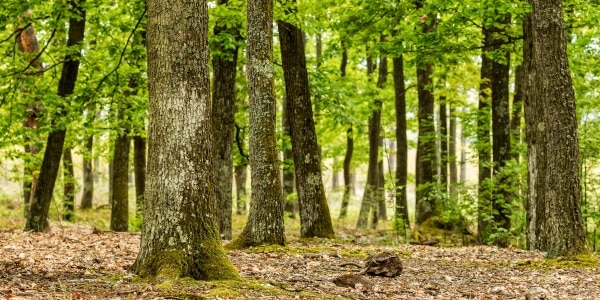
Selectively Removing Trees for Wildlife Food and Cover
We selectively remove trees and shrubs to help wildlife in two ways:
- Release Masting Trees: We free up nut and fruit producers, like oak, hickory, beech, and wild apple, from competition so they produce more food for wildlife.
- Create Early Succession Habitat: We establish young forest areas with dense shrubs and saplings that provide critical browse and cover for declining bird species and mammals.
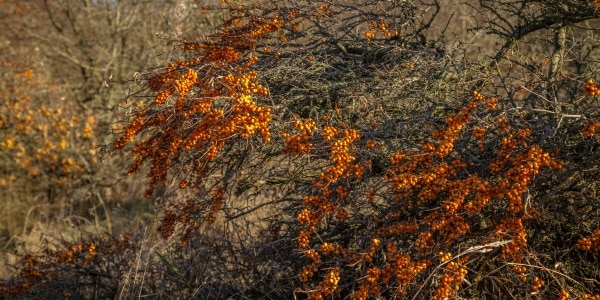
Removing & Controlling Invasive Species
We control the invasive shrubs that prevent Vermont's native trees from thriving, including buckthorn, Japanese barberry, honeysuckle, and more. Our approach isn't just cutting and hauling. We develop year-over-year control strategies that actually reduce invasive populations while encouraging native regeneration; what we call "treasure hunting" in your woods.
Discover Your Property's Ecological Potential
Not sure where to start with habitat enhancement? Our arborists will walk your property, assess current conditions, and explain how to support native wildlife while controlling invasive species. There's no sales pitch — just expert guidance grounded in forest ecology.
Why Vermont's Forests Need Active Habitat Management
Vermont's ecosystems face mounting pressures that threaten forest health and wildlife populations:
Invasive Species Crisis: Invasive shrubs form dense thickets that prevent native seedlings from establishing, displace native species, and create a self-perpetuating cycle of spread.
Habitat Fragmentation: Development breaks forests into smaller, disconnected parcels. Wildlife need continuous corridors to move between areas, and your property might be a critical link in these landscape-level movement patterns.
Loss of Structural Diversity: Many Vermont forests contain trees that are roughly the same age and lack important habitat features like standing dead trees, fallen logs, and dense understory vegetation. Wildlife depend on this structural diversity for nesting, shelter, and food.
Native Species Decline: Native trees and shrubs support exponentially more wildlife than invasives. A native oak, for instance, supports over 500 caterpillar species (critical food for nesting birds), while an invasive Norway maple hosts fewer than a dozen. As invasive species spread, they create "food deserts" for wildlife — properties that look green but can't sustain healthy bird and insect populations.
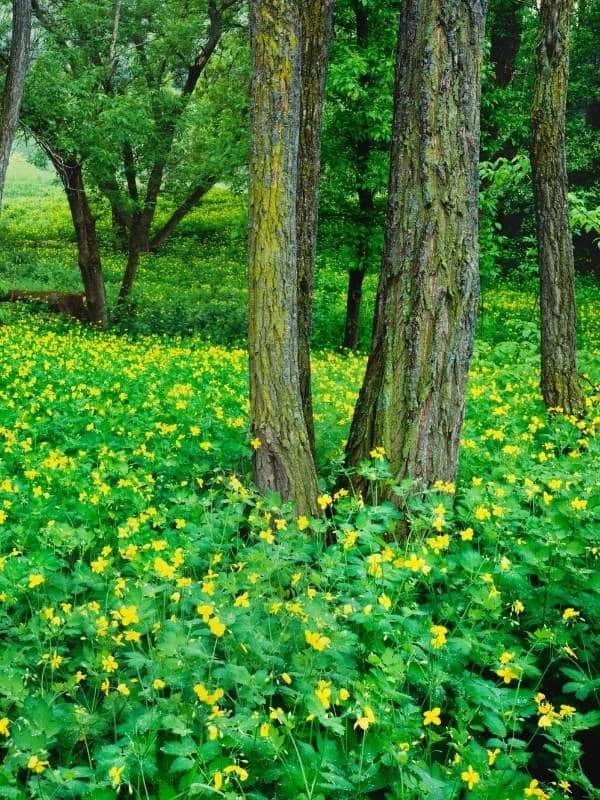
Our Habitat Enhancement Process
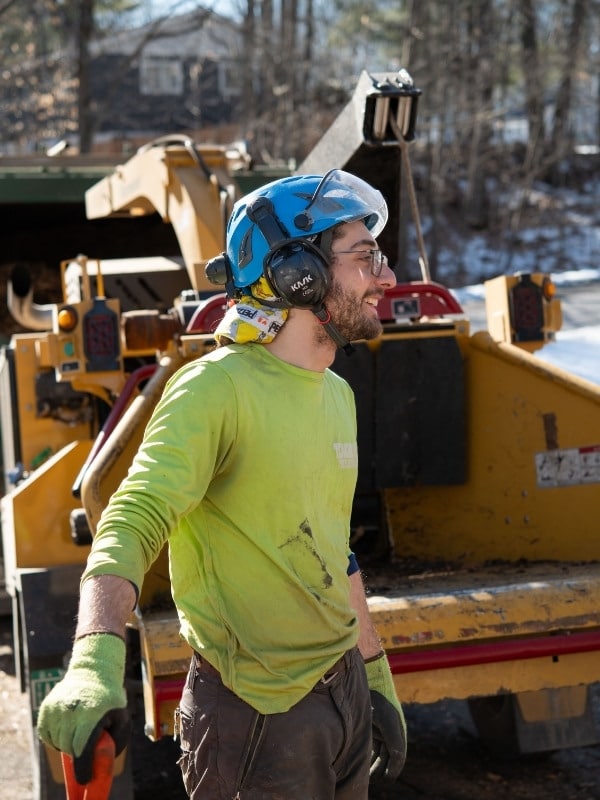
When you work with Teachers Tree Service, you're working with Vermont's most qualified team for ecological land management — 8 ISA Certified Arborists, a TCIA-accreditation, and staff with backgrounds in forest ecology and wildlife biology.
Here's how we approach every habitat enhancement project:
Educational Consultation: We’ll visit your property, assess current conditions, and discuss your goals; whether supporting wildlife, improving forest health, or controlling invasives. We’re educators at heart, so our focus is always on helping you understand your property's ecological potential and the management options available.
Detailed Proposals & Multi-Year Planning: We’ll develop comprehensive proposals outlining recommended work, expected outcomes, and realistic timelines. Habitat enhancement often works best as a multi-year plan, and we explain the "why" behind each recommendation.
Professional Implementation & Ongoing Support: Our crews coordinate timing based on plant phenology and nesting seasons. Many clients establish ongoing relationships, where we return seasonally for monitoring and management, building on progress year after year.
Ready to Enhance Your Property's Ecological Value?
Our arborists can assess your land's habitat potential and develop a customized management plan.
Learn More About Tree Care and Forest Ecology
Our blog explores topics in tree care, forest stewardship, plant health, and ecological management. We regularly publish educational content to help Vermont property owners make informed decisions about their trees and land.
Is Fall a Good Time to Plant a Tree in Vermont?
September 16, 2026 | Updated: September 16, 2026 | Tree Care Tips
Wondering if fall is too late to plant a tree in Vermont? See the local frost timeline, best species picks, and the mistakes that kill new trees.
How Can You Tell If a Tree Is Dangerous?
August 17, 2026 | Updated: August 17, 2026 | Tree Safety
Worried a tree could fall on your property? Learn the warning signs Vermont arborists check first—and when to book a hazard assessment in Chittenden County.
Why Is My Big Old Tree Dying from the Top Down?
July 24, 2026 | Updated: July 24, 2026 | Tree Care Tips
Is your mature tree dying from the top down? The cause is almost always below ground—and often reversible when caught early. See what causes it and when to act.
Frequently Asked Questions About Habitat Enhancement
Serving Northwestern Vermont Properties
Teachers Tree Service provides habitat enhancement and ecological restoration services across our complete service area in Northwestern Vermont. Check out our list of locations and service area map to see where we travel:
If you don’t see your community listed here, give us a call at (802) 316-1545 and we’ll see what we can do!
Bring Your Forest Back to Life
Teachers Tree Service can help you transform your property into a functional wildlife habitat — controlling invasives, releasing native species, and creating the structural diversity that supports Vermont's ecosystems.
Whether you have a small residential lot or extensive woodlands, we'll develop a habitat management plan tailored to your property and goals.


