
Winter Tree Pruning in Vermont
We’re experiencing a real Vermont winter complete with persistent cold temperatures and long-lasting snow cover. You may be enjoying days on the slopes or staying cozy by the woodstove, but your trees are already preparing for spring! Our expert arborists can improve the health and appearance of your landscape by pruning trees while they are…
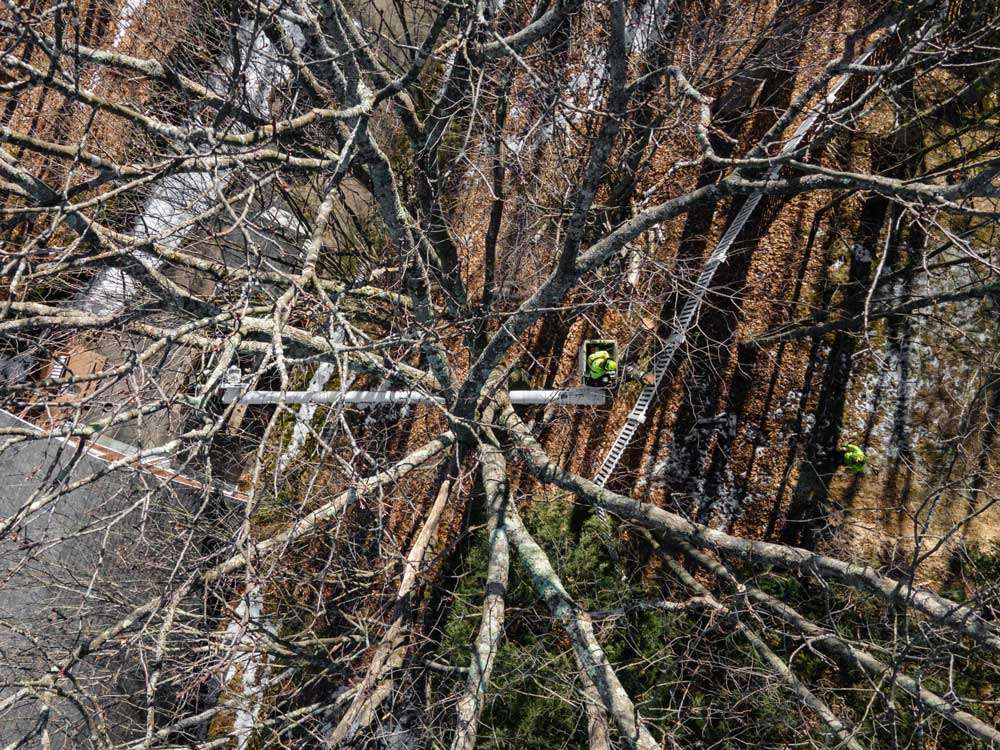
We’re experiencing a real Vermont winter complete with persistent cold temperatures and long-lasting snow cover. You may be enjoying days on the slopes or staying cozy by the woodstove, but your trees are already preparing for spring! Our expert arborists can improve the health and appearance of your landscape by pruning trees while they are still in winter dormancy. Our crew calendar will fill quickly when daytime temperatures break 50˚ ; beat the spring fever rush and contact us for a free consultation today!
Winter is the best time to prune shade, fruit and many ornamental trees for several reasons:
Trees Are Dormant
During winter, most shade trees enter dormancy, meaning they temporarily stop growing. This makes pruning less stressful for the tree, allowing it to heal quickly before the spring growth cycle begins. With slow sap flow, there’s a lower risk of excessive bleeding from cuts, which can be unsightly and weaken the tree.
Improved Visibility
Without leaves, our arborists can see the tree’s structure more clearly. This makes it easier to identify dead, damaged, or diseased branches that need removal. A clearer view ensures a thorough assessment and precise pruning to prepare a tree for future growth. With years of experience, our climbers and ground crew quickly and efficiently identify dead branches based on the condition of bark, fine twigs and buds.
Reduced Risk of Disease and Pests
Many tree diseases and pests are less active in winter. Pruning during warmer months can expose fresh wounds to fungi, bacteria, and insects that may cause infections. Winter pruning helps prevent these issues, giving your trees a fresh start in the spring without the risk of disease transmission. Winter pruning is especially important for some species, especially fruit trees, crabapples and ornamental cherries.
Enhances Safety and Prevents Storm Damage
Winter storms, heavy snow, and ice can weigh down weak or overgrown branches, increasing the likelihood of breakage. By pruning in the winter, you can remove hazardous branches before they become a danger to your home, power lines, vehicles, or pedestrians. Proactive pruning ensures your trees are strong and stable before severe weather strikes.
Encourages Vigorous Spring Growth
Strategic winter pruning stimulates new growth when the weather warms up. By removing unnecessary branches, we refocus a tree’s energy on developing healthy, strong limbs. This results in a more vibrant, lush canopy come springtime.
More Efficient and Cost-Effective
Winter is an off-peak season for us, which means we are able to respond more quickly to your service request. Our sales team is currently scheduling consultation within a day or two, and our crew visits are scheduling out one to two weeks. During the spring, summer and fall, our response times sometimes stretch to a week for consultations and six to eight weeks for crew visits.
Don’t Wait – Schedule Your Winter Pruning Today!
Taking advantage of winter pruning can save you time, money, and headaches in the long run. Our expert arborists are ready to improve and maintain the health, safety and beauty of your trees and shrubs. Contact us today to schedule a consultation and ensure your trees are in top shape for the coming seasons!
For safer, healthier trees during the growing season, schedule your tree pruning today! Contact us for a free consultation.
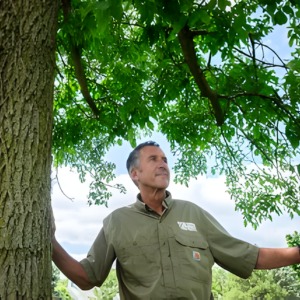
Greg Ranallo
From the classroom to the trees
Greg Ranallo has been working with trees since he was 19 years old — a passion that began long before it became a profession. After earning a master's degree in education and teaching high school social studies in his native Minnesota, Greg ultimately followed the calling he'd had since boyhood and built Teacher's Tree Service into one of the Champlain Valley's most trusted arboriculture companies. As he puts it, "I was always more a tree guy who was teaching than a teacher who did tree work."
Our Articles
Why Won’t My Shrub Lose Its Leaves in Vermont?
When a shrub won't lose its leaves while the rest of your Vermont yard goes bare, it's usually invasive buckthorn or honeysuckle. Here's how to tell which.
Is Fall a Good Time to Plant a Tree in Vermont?
Wondering if fall is too late to plant a tree in Vermont? See the local frost timeline, best species picks, and the mistakes that kill new trees.
How Can You Tell If a Tree Is Dangerous?
Worried a tree could fall on your property? Learn the warning signs Vermont arborists check first—and when to book a hazard assessment in Chittenden County.
