How Can You Tell If a Tree Is Dangerous?
Worried a tree could fall on your property? Learn the warning signs Vermont arborists check first—and when to book a hazard assessment in Chittenden County.
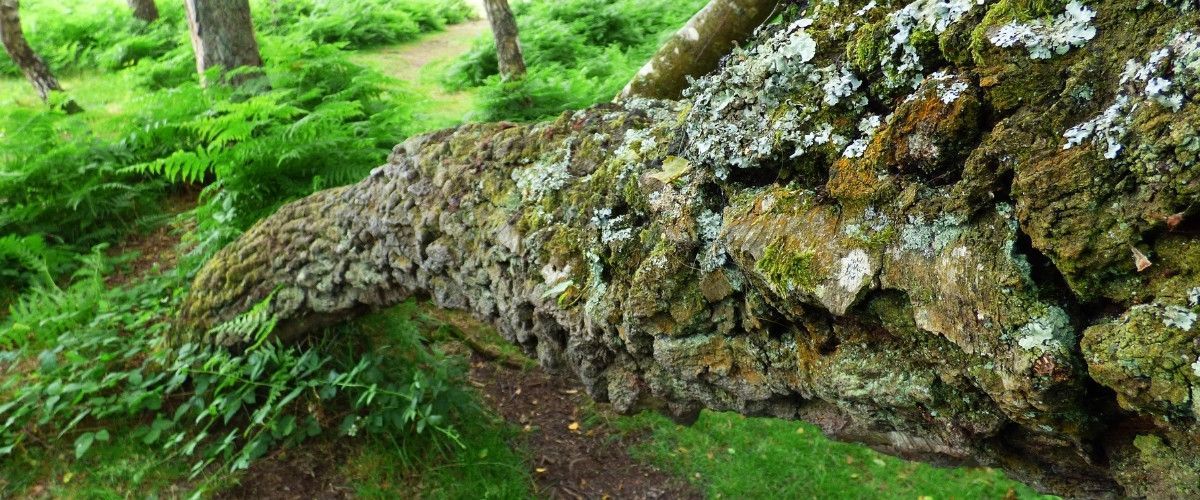
A tree doesn’t have to be dead or dramatically leaning to pose a risk. Cracks in the trunk, dead or hanging branches, decay, root damage, and sudden changes in the canopy can all indicate structural problems that make a tree more likely to fail. Some of these warning signs are easy to spot from the ground, while others require a closer assessment by an arborist.
For homeowners in Chittenden County, recognizing changes in a tree is especially important after strong winds or when a tree begins declining unexpectedly. Knowing what to look for (and which signs warrant professional attention) can help you address a hazardous tree before a weakened branch or trunk fails.
Key Takeaways
- A new or worsening lean, especially with soil movement at the base, is a major warning sign that a tree may be unstable.
- Conks, major cracks, significant deadwood, cavities, and weak branch or stem unions can increase the likelihood of failure.
- Ash killed by emerald ash borer becomes increasingly brittle as it declines, making early assessment important for trees near homes, roads, or other targets.
- Not every tree with a structural defect needs to be removed; an arborist can determine the level of risk and whether pruning, support, monitoring, or removal is appropriate.
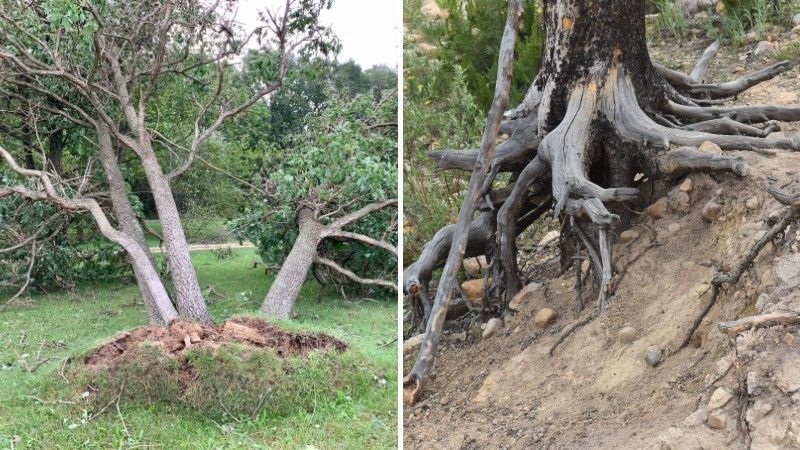
Soil mounding at the base (left) can mean the root plate is lifting—the most urgent ground-level warning. Exposed roots (right) cost a tree the anchorage it depends on to stay upright.
What Are the Signs a Tree Is Dangerous?
The most obvious signs a tree is dangerous are structural, and they typically start at the roots, where they are easiest to overlook.
Root Damage or Soil Movement
The ground around the base of a tree usually shows the first evidence of trouble. Keep an eye out for:
- Soil Heaving, Cracking, or Mounding Opposite a Lean : Soil movement around the base can indicate that the root plate is lifting, particularly when the lean is new or worsening.
- Exposed, Severed, or Decayed Roots : These often result from recent digging or grade changes that cut the roots the tree relies on to stay upright.
Trunk Cracks, Decay, or a New Lean
The trunk holds some of the clearest insights into a tree’s structural health. Watch for:
- A New or Worsening Lean : A tree that has leaned the same direction for years is often stable; a lean that has recently appeared or increased is not.
- Vertical Cracks, Seams, Bulges, or Conks : These can indicate structural defects or decay and warrant closer assessment, particularly when they occur on the trunk or major roots.
Dead Branches or Canopy Dieback
The canopy will show hazards that directly hang over whatever’s below. Look for:
- Large Dead Limbs and Hanging or Broken Branches : The “widow-makers” that can drop without warning
- Tight, V-Shaped Forks: Narrow unions between codominant stems can contain included bark and may be structurally weak.
- Crown Dieback : Dead or declining growth in the upper canopy can indicate significant stress or decline and deserves assessment, especially when combined with other defects.
A lone defect doesn’t immediately mean a tree’s doomed. Some structurally flawed trees can be supported with cabling and bracing, which is why you should have a professional assess your findings.
How Do Trees Become Dangerous?
Trees can become dangerous when damage, decay, or structural weaknesses reduce their ability to support their own weight or withstand wind, rain, and snow. Some problems develop gradually over years, while others can appear after a storm, construction project, or other sudden change around the tree.
Common causes include:
- Root Damage: Excavation, trenching, soil compaction, and changes in grade can damage or remove roots that help anchor the tree.
- Decay: Fungi can break down wood in the roots, trunk, or major branches, reducing structural strength even when parts of the tree still appear healthy.
- Storm Damage: Strong winds, heavy snow, and ice can crack branches, split weak unions, or damage roots without causing the tree to fail immediately.
- Weak Branch Structure: Codominant stems, included bark, and other structural defects can become more prone to splitting as branches grow larger and heavier.
- Insects and Disease: Some pests and diseases contribute to canopy decline, root damage, or weakened wood. Emerald ash borer is a particularly important concern for ash trees in Vermont.
- Previous Damage or Poor Pruning: Large wounds, topping, and past branch failures can create weak growth or openings where decay develops over time.
Why Are Dead and Dying Ash Trees Especially Dangerous?
Dead and dying ash trees can become especially dangerous because emerald ash borer causes the wood to become brittle as the tree declines. The pest has killed many ash trees across Vermont, and affected trees can become more likely to break or fail without much warning. That brittleness also makes them more hazardous to remove:
- Wood Becomes Brittle: As an infested ash declines, branches and sections of the trunk can become more prone to breaking.
- Removal Becomes More Difficult: Severely declining or dead ash may be too brittle to climb safely, requiring specialized equipment and making removal more complex.
For an untreated ash that poses a meaningful risk to a house, road, play area, or other target, an arborist can compare the cost and risk of treatment, monitoring, and planned removal before the tree declines further. An ash that’s still in good condition may be a candidate to be treated to protect it, a call that must be made by an arborist who can look at the specific tree.
What Should You Do If You Think a Tree Is Dangerous?
Finding a crack, cavity, dead branch, or other defect doesn’t automatically mean the tree needs to come down. The level of risk depends on the type and severity of the defect, the likelihood that the tree or branch will fail, and what could be damaged or injured if it does.
An arborist may recommend different next steps depending on what they find:
- Monitor the tree if the defect is minor and the likelihood of failure is low.
- Prune dead or structurally weak branches when the concern is limited to part of the canopy.
- Support weak unions with cabling and bracing when appropriate.
- Remove the tree when its condition and location create an unacceptable level of risk that can’t reasonably be reduced another way.
If you’ve noticed a new lean, soil movement, significant decay, large dead branches, or other warning signs, request a free proposal. Teachers Tree Service’s ISA Certified Arborists and team members with Tree Risk Assessment Qualifications (TRAQ) can assess the tree, consider what it could strike if it fails, and recommend an appropriate next step.
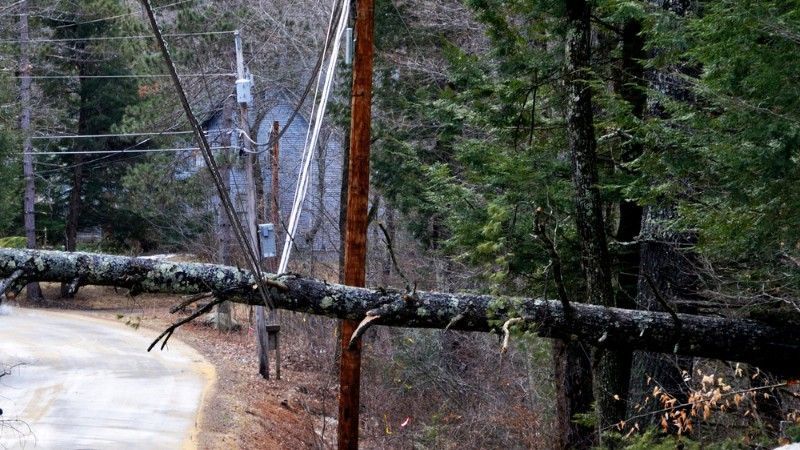
Identifying structural problems before a tree fails can help prevent damage to power lines, roads, homes, and other property.
Frequently Asked Questions About Dangerous Trees
Is there a specific angle at which a leaning tree becomes dangerous?
No, there is no magic number of degrees. A tree that has leaned the same way for years without soil movement is often fine, while a tree leaning only slightly can be a serious risk if the ground at its base is heaving or cracking. It is the change and the lifting root plate that matter, not the angle itself.
Should I remove mushrooms or conks growing on my tree?
It depends. Mushrooms growing only in mulch or on clearly dead wood may simply be decomposing that material. Fruiting bodies attached to the trunk, root flare, or major roots deserve closer attention.
Do I need to remove a tree with a hollow or cavity?
Not necessarily. Many mature trees live for years with significant cavities. What matters is how much sound wood remains around the opening and whether there’s a target below.
Can a dead ash tree be left standing if it’s away from buildings?
Sometimes. A dead ash far from any target can be left as a standing wildlife habitat, which supports woodpeckers and other cavity-nesters. The calculation only changes when there is a target within reach; then the same brittleness makes waiting the riskier choice.
What should I look for when hiring someone to assess a dangerous tree?
Start with an ISA Certified Arborist, ideally one holding a Tree Risk Assessment Qualification. Confirm they carry current liability and workers’ compensation insurance, and ask for a written proposal rather than a verbal price.
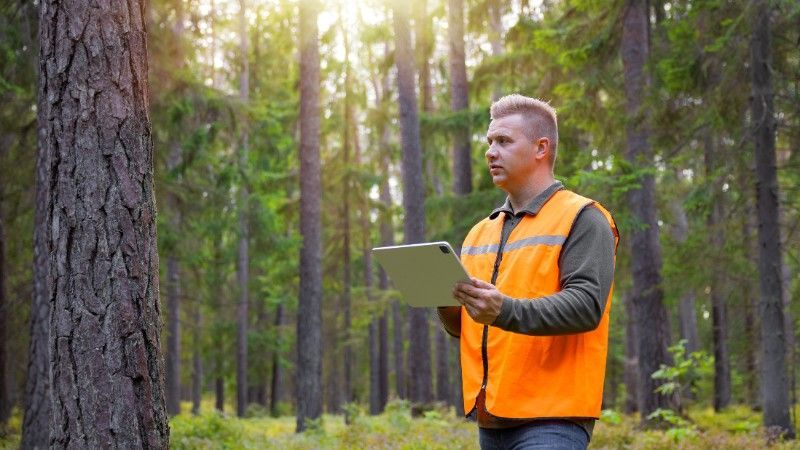
You can spot the warning signs, but an arborist can determine how serious they are and what could be at risk if the tree fails.
Have Teachers Tree Service Assess Your Tree Before the Next Storm
If you’ve noticed a new lean, dead branches, cracks, decay, or other concerning changes in your tree, you don’t have to determine the level of risk yourself. Teachers Tree Service can assess the tree, explain what the warning signs mean, and recommend whether it needs monitoring, corrective work, or removal. Schedule a hazard assessment with Teachers Tree Service today. If removal is recommended, our team can help you plan the work before the tree becomes a more immediate hazard.
Greg Ranallo
From the classroom to the trees
Greg Ranallo has been working with trees since he was 19 years old — a passion that began long before it became a profession. After earning a master's degree in education and teaching high school social studies in his native Minnesota, Greg ultimately followed the calling he'd had since boyhood and built Teacher's Tree Service into one of the Champlain Valley's most trusted arboriculture companies. As he puts it, "I was always more a tree guy who was teaching than a teacher who did tree work."
Our Articles
Why Won’t My Shrub Lose Its Leaves in Vermont?
When a shrub won't lose its leaves while the rest of your Vermont yard goes bare, it's usually invasive buckthorn or honeysuckle. Here's how to tell which.
Is Fall a Good Time to Plant a Tree in Vermont?
Wondering if fall is too late to plant a tree in Vermont? See the local frost timeline, best species picks, and the mistakes that kill new trees.
Why Is My Big Old Tree Dying from the Top Down?
Is your mature tree dying from the top down? The cause is almost always below ground—and often reversible when caught early. See what causes it and when to act.
