
Spring Fertilizer Treatments
“Spring fertilizer treatments are crucial for promoting healthy growth and vitality in plants and lawns as they emerge from the dormancy of winter. This period of early growth is when plants are most eager for nutrients, making spring an optimal time for fertilizer application. The key is to supply the right balance of nutrients that…
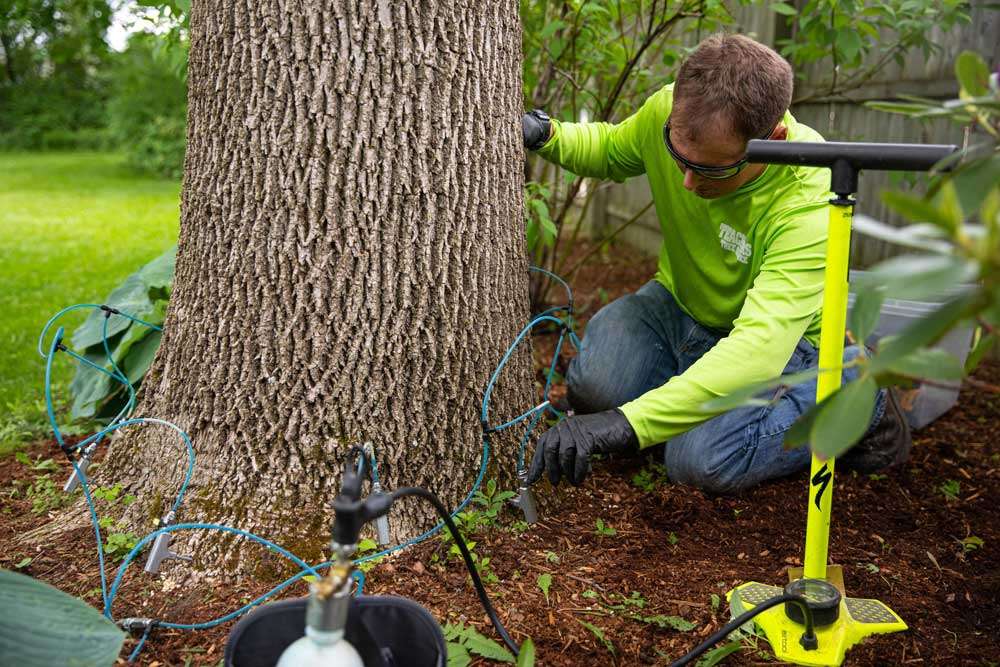
“Spring fertilizer treatments are crucial for promoting healthy growth and vitality in plants and lawns as they emerge from the dormancy of winter. This period of early growth is when plants are most eager for nutrients, making spring an optimal time for fertilizer application. The key is to supply the right balance of nutrients that plants need to kickstart their growth cycle, including nitrogen, phosphorus, and potassium, each serving a unique purpose in plant development.
Nitrogen is paramount for leaf and stem growth, giving plants their lush, green appearance. Phosphorus supports the development of roots and flowers, essential for establishing a strong foundation and encouraging blooming. Potassium, meanwhile, enhances overall plant health, aiding in water retention, disease resistance, and the regulation of metabolic processes.
Timing is essential with spring fertilizer treatments. Applying too early can be wasteful, as plants are not yet active enough to absorb the nutrients efficiently. Too late, and you may miss the key window where plants need these nutrients the most for optimal growth. Typically, the best time is when the soil temperature reaches around 55°F (about 12°C), which is when most grass types begin growing actively.
It’s also important to choose the right type of fertilizer for your specific garden or lawn needs. Slow-release or controlled-release fertilizers are often recommended for spring use, as they provide a steady supply of nutrients over time, reducing the risk of over-fertilization and environmental runoff. Professional soil testing can also guide the precise nutrient requirements, ensuring that the fertilizer treatment aligns perfectly with the needs of your landscape for a vibrant and healthy growing season.”
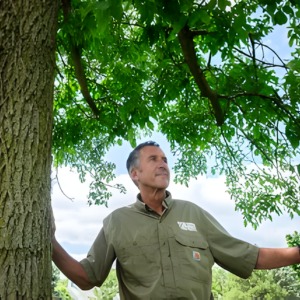
Greg Ranallo
From the classroom to the trees
Greg Ranallo has been working with trees since he was 19 years old — a passion that began long before it became a profession. After earning a master's degree in education and teaching high school social studies in his native Minnesota, Greg ultimately followed the calling he'd had since boyhood and built Teacher's Tree Service into one of the Champlain Valley's most trusted arboriculture companies. As he puts it, "I was always more a tree guy who was teaching than a teacher who did tree work."
Our Articles
How Can You Tell If a Tree Is Dangerous?
Worried a tree could fall on your property? Learn the warning signs Vermont arborists check first—and when to book a hazard assessment in Chittenden County.
Why Is My Big Old Tree Dying from the Top Down?
Is your mature tree dying from the top down? The cause is almost always below ground—and often reversible when caught early. See what causes it and when to act.
Is Beech Leaf Disease Killing Your Beech Tree?
Beech leaf disease in Vermont has spread to 43 towns in two years. Spot the early warning signs, understand your management options, and protect your trees.
