Fertilization Services & Tree Health Management in Northwestern Vermont
Custom Nutrition Plans, Certified Arborist Assessment, Healthier Trees
Take Advantage of the Dormant Season
Winter is ideal for pruning and tree removal. Reserve your spot now before the schedule fills.

Stronger Trees Start with Better Nutrition
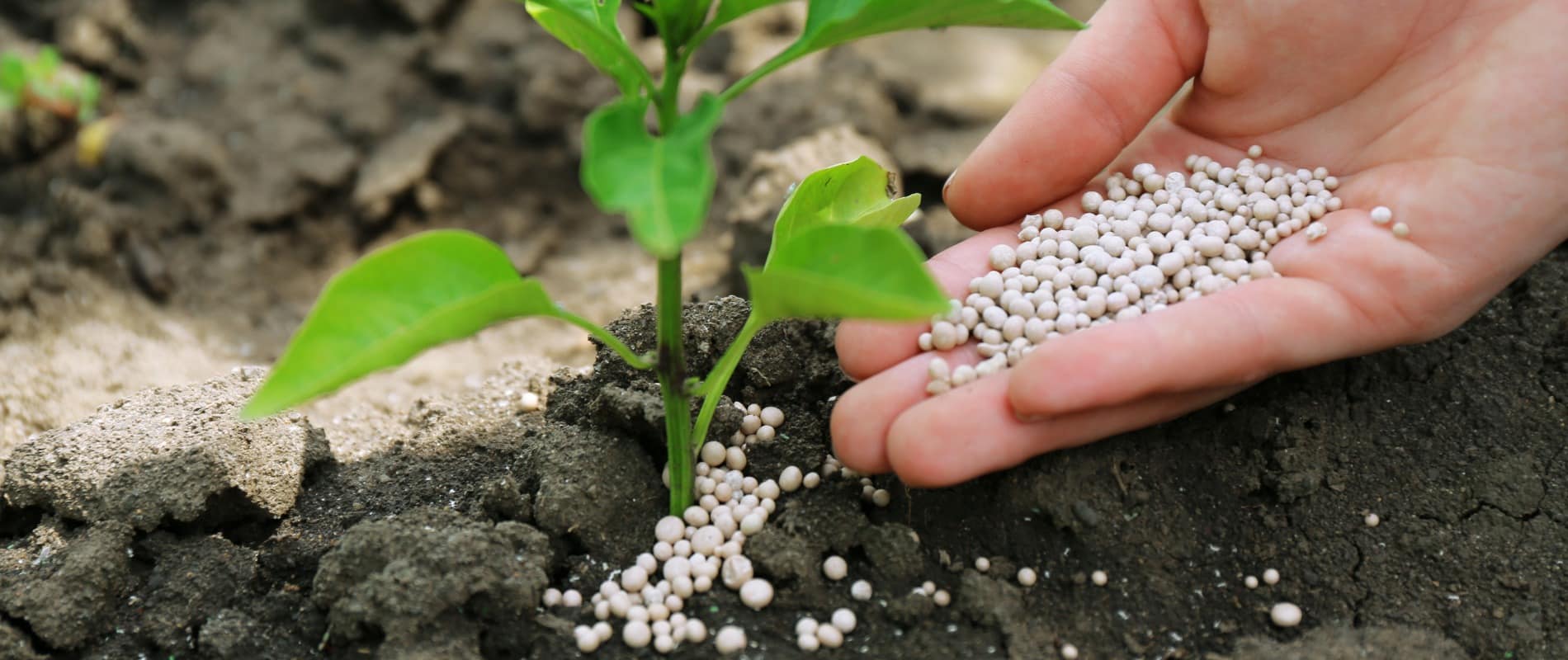
Healthy trees grow stronger, resist disease better, and live decades longer than undernourished ones. But Vermont's acidic soils and lawn competition can slowly deplete the nutrients your trees need. Deep root fertilization addresses these deficiencies by delivering nutrients directly to the root zone.
Whether your trees are showing yellowing leaves, slow growth, or simply growing in challenging conditions, our ISA Certified Arborists assess each tree individually and create a fertilization plan tailored to your property.



Why Fertilization Matters for Vermont Trees
Your landscape trees face nutritional challenges that don't exist in the forest. In natural settings, fallen leaves decompose and return nutrients year after year. But on your property, those leaves get raked away, grass roots compete aggressively for nitrogen, and decades of foot traffic compact the soil around tree roots.
Add Vermont's naturally acidic soils to the mix, and essential nutrients, like calcium and magnesium, become locked up — often unavailable even when they're present. Over time, you might notice:
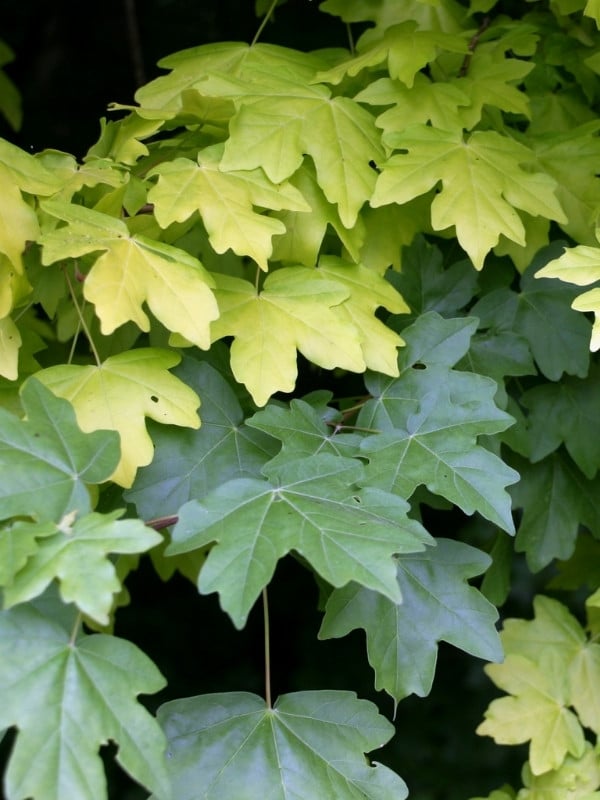
Yellowing leaves and thinning canopy
Slow growth and reduced vigor
Increased vulnerability to pests and disease
Trees slowly starving despite looking healthy on the surface
Proper fertilization corrects these deficiencies in several ways by:
Strengthening root systems for better drought tolerance
Boosting natural pest and disease resistance
Helping trees recover faster from pruning or storm damage
Keeping trees thriving for decades, not just surviving
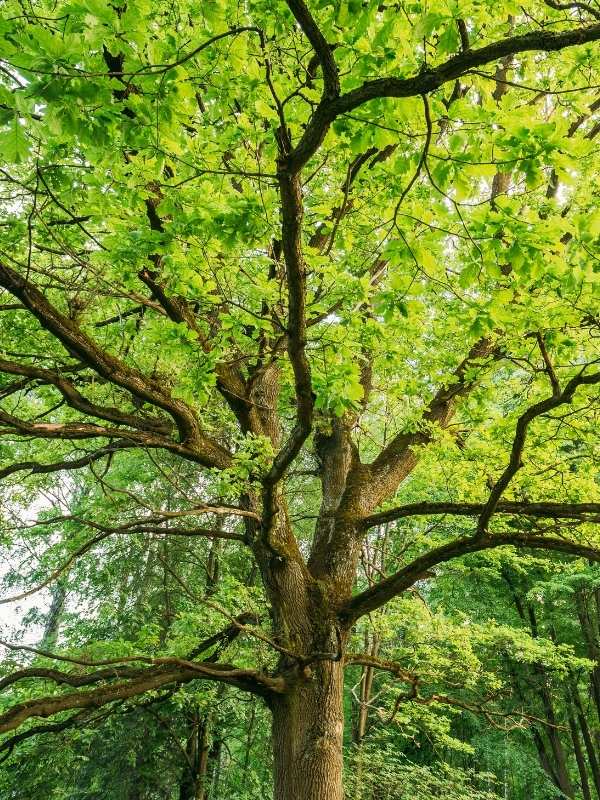
Are Your Trees Getting the Nutrients They Need?
Find out with a free assessment. We'll evaluate your trees' health, identify deficiencies, and recommend solutions that actually work for Vermont conditions.
How We Determine What Your Trees Actually Need
We don't blindly apply fertilizer to every tree on your property. Instead, we take the time to evaluate each specimen individually, determining which ones actually need nutrients and what deficiencies they're facing.
One of our 8 ISA Certified Arborists will visit your property and assess leaf color, growth patterns, canopy density, and overall health — considering your soil conditions, lawn competition, tree species, and what you want to accomplish before making any recommendations.
Our assessment covers:
Visual inspection for nutrient deficiency symptoms
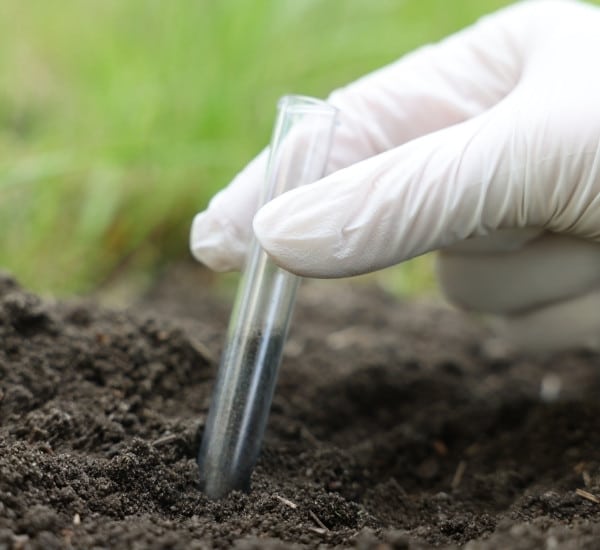
Soil testing through University of Vermont's lab when needed for precise data
Species-specific nutritional requirements
Competition from turf and other plants
Site conditions like compaction or drainage issues
What Sets Teachers Tree Service Apart
After 20+ years caring for Northwestern Vermont's trees, we've developed an approach focused on long-term tree health:
Custom Formulas, Not Cookie-Cutter Programs: We blend N-P-K (27-9-9) fertilizer with soil conditioners, biochar, and humates tailored to your trees' needs.
Vermont-Specific Timing: Applications are perfectly timed to spring or fall, when your trees can actually use the nutrients.
Education at Every Step: We explain what nutrients your trees lack, why Vermont soils create these deficiencies, and what results to expect.
Results-Focused Approach: We track your trees' response to treatment and adjust our recommendations based on what's actually working for your property.
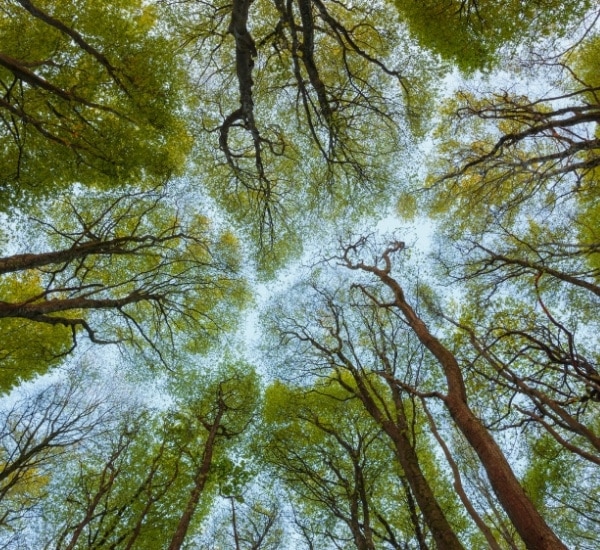
Signs Your Trees May Need Fertilization
Trees can't tell you when they're in need of supplemental nutrients, but they show you. Watch for:
Not Sure If Your Trees Need Fertilization?
Let us take a look. We'll assess your trees' health, test your soil if needed, and give you honest recommendations — whether that's fertilization, a different treatment, or simply monitoring.
Which Trees Benefit Most from Fertilization?
Not every tree needs fertilization. Our assessment determines which trees would actually benefit. The best candidates are usually:
Trees with Deficiency Symptoms: Including yellowing, slow growth, and other signs of declining health.
Trees Competing with Lawns: Grass intercepts most surface-applied fertilizers before they reach tree roots.
Trees in Compacted Soil: A common issue in residential areas due to the years of foot traffic, limiting the roots’ ability to uptake nutrients.
Young Trees (2-5 Years): Strategic fertilization helps them establish faster and develop stronger roots.
High-Value Specimen Trees: Mature trees are always worth proactive protection.
Trees Recovering from Damage: Supports recovery after storms, construction, or pest activity.
Trees in Poor Soil: Sandy or disturbed soils often lack the nutrients trees need to thrive.
Want to learn more about tree nutrition and Vermont soil challenges? Check out our blog for in-depth articles on tree health, seasonal care tips, and what your trees need to thrive.
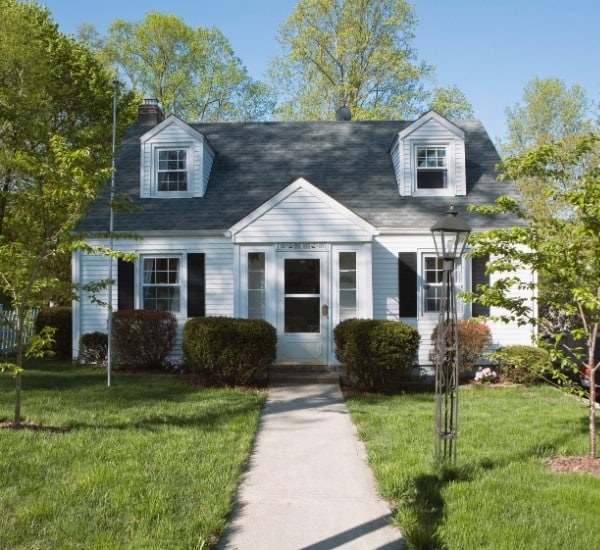
Fertilization Services Across Northwestern Vermont
From lakefront properties in Charlotte to mountain communities in Stowe, our ISA Certified Arborists bring expert tree nutrition services throughout Northwestern Vermont.
Not sure if we cover your location? Give us a call at (802) 316-1545.
Frequently Asked Questions About Tree Fertilization in Northwestern Vermont
Strong Roots, Healthy Trees, Better Results
Your trees work hard for your property — providing shade, beauty, and value. Make sure they have the nutrients to keep thriving. Schedule a free assessment and we'll evaluate your soil, identify deficiencies, and recommend a fertilization approach that fits your trees and your budget.


